Understanding Age Perception: How Old Do I Look?
Have you ever glanced in the mirror and wondered, "How old do I look?" This simple question can open a Pandora’s box of emotions, reflecting not just our physical appearance but also our self-image and societal perceptions of aging. In an age where youth is often idealized, understanding age perception becomes crucial, not only for self-awareness but also for navigating personal and professional interactions. Advances in technology, particularly artificial intelligence, have provided innovative ways to estimate how old someone appears. This article delves into the science, tools, and cultural nuances behind age estimation, offering insights into how we perceive age and the implications of these perceptions.
The Science Behind Age Estimation
Age estimation is grounded in a blend of biological, psychological, and social factors. Scientifically, the human face undergoes various changes as we age. Key indicators include:
- Skin Texture: As we age, skin elasticity diminishes, leading to wrinkles and sagging.
- Facial Volume: Loss of fat in certain areas can make faces appear gaunter, while gain in others may lead to a fuller look.
- Coloration: Changes in skin pigmentation, including the emergence of age spots, can affect perceived age.
These physiological markers contribute to how old an individual may appear. However, it's worth noting that age perception is subjective and influenced by cultural standards and personal biases.
Psychological Factors in Age Perception
How old we think we look often diverges from our actual age. This discrepancy can be attributed to psychological factors such as:
- Self-Perception: Our mindset about aging plays a significant role; positive attitudes towards aging can lead to an appearance that aligns closer to one's chronological age.
- Social Comparisons: We often compare ourselves to peers, which can warp our perception of how we should look at a certain age.
- Media Influence: The portrayal of age in media shapes societal expectations, leading to skewed perceptions of what is considered youthful or aged.
These psychological dimensions underscore the complexity of age perception, suggesting that it is not purely a matter of biology, but also of mindset and societal context.
Technological Innovations in Age Assessment
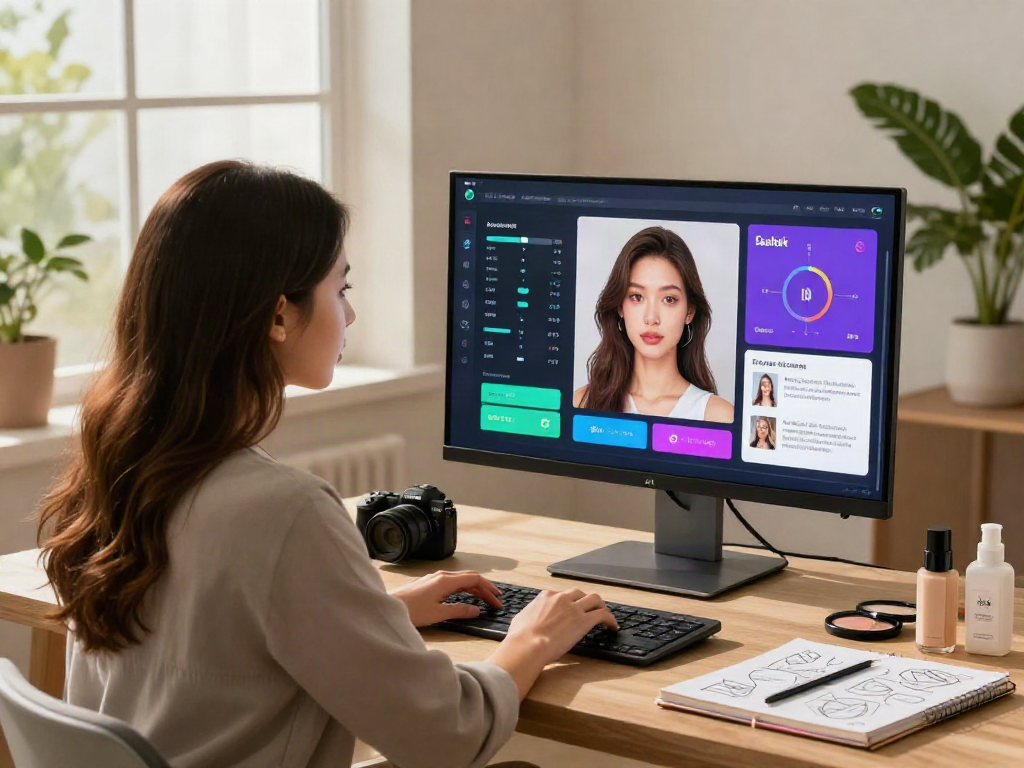
With the rise of technology, particularly artificial intelligence and machine learning, individuals have access to sophisticated tools that can analyze facial features to estimate age. For instance, platforms utilizing AI algorithms can assess skin quality, facial structure, and other parameters to generate a predicted age. An excellent example of such tools is how old do i look, which leverages advanced algorithms for accurate age estimation. These technologies are not just entertainment; they can also have implications in fields like marketing and health, tailoring products and services to age demographics.
Popular Tools that Estimate How Old You Look
As the demand for age estimation tools grows, various applications and websites have emerged, each offering unique features. Let’s explore some popular tools available today.
AI-Powered Applications Analyzed
AI-powered applications such as FaceAge and BeautyPlus are popular choices that allow users to upload their photos and receive instant age estimates. These platforms often utilize deep learning models trained on diverse datasets to ensure accuracy. However, variability in results can occur based on image quality and the specific algorithm used.
Online Platforms and Their Unique Features
Numerous online platforms offer age estimation services, each with distinctive offerings:
- FaceAge.ai: Provides a straightforward interface for age estimation with an emphasis on privacy.
- Fotor: Not only estimates age but also offers features to enhance photos post-analysis.
- Longevity Germany: Touts a comprehensive analysis of facial features along with health tips.
While these tools are entertaining, users should approach results with caution as they are based on algorithmic predictions rather than absolute truths.
Privacy and Security Concerns in Age Estimation
When using facial recognition tools, privacy concerns are paramount. Users often wonder: What happens to my images once uploaded? Responsible platforms implement measures to protect user data, including:
- Data encryption during transmission and storage.
- Clear policies about data retention and usage.
- Options to delete uploaded photos post-analysis.
Before using any tool, it is essential to familiarize yourself with its privacy policy to ensure your data remains secure.
Common Misconceptions About Age Guessing
Age estimation is often clouded with misconceptions that can lead to inaccurate interpretations. Let’s debunk some of these myths.
Debunking Myths Surrounding Facial Age
A popular myth suggests that if you look younger than your age, you are healthier. While genetics play a significant role in appearance, factors such as lifestyle choices—including diet, exercise, and skin care—also significantly influence how old one appears.
The Role of Makeup and Styling
Makeup can dramatically influence perceived age. Techniques such as contouring can create the illusion of a more youthful appearance, leading to the belief that age is being masked. Additionally, hair styles and colors can either age or rejuvenate a person's look, demonstrating the powerful effect of personal grooming on age perception.
Aging in Different Cultures and Contexts
Aging is perceived differently across cultures. In some societies, age is associated with wisdom and respect, while in others, youth is venerated. This cultural lens shapes how individuals view themselves and others regarding age.
How to Accurately Assess Your Age Perception
Understanding how old you look is not just a matter of curiosity; it can affect social interactions, self-esteem, and even career opportunities. Here are practical tips for assessing your age perception accurately.
Practical Tips for Taking Photos
To obtain the most accurate age estimation results:
- Use Natural Lighting: Good lighting reduces shadows and highlights your features more accurately.
- Avoid Filters: Filters can misrepresent your true appearance, skewing results.
- Stay Relaxed: A natural expression will provide a more genuine representation of how you look.
Guidelines for Using Online Age Estimators
When using online tools, keep the following in mind:
- Read Reviews: Look for feedback about accuracy and user experience before committing to a platform.
- Check Privacy Policies: Ensure your data will be handled safely and responsibly.
- Don’t Take Results Too Seriously: Remember that AI estimations are not infallible and should be taken with a grain of salt.
Interpreting Results and Their Implications
The insights gained from age estimation tools can be enlightening, but they should not dictate self-worth. Embrace your unique qualities while considering any feedback as a fun exploration rather than a definitive conclusion. This perspective fosters a healthier approach to self-image and aging.
The Future of Age Recognition Technology
As we look ahead, the field of age recognition technology is likely to evolve, bringing both opportunities and challenges. Here’s what to watch for in the coming years.
Trends to Watch in 2026 and Beyond
The integration of augmented reality (AR) with age estimation tools is set to revolutionize the user experience, allowing individuals to visualize their aged selves in real-time. Such innovations could find applications in various industries, including beauty, healthcare, and marketing.
Potential Applications in Various Industries
The implications of age estimation technology extend far beyond personal curiosity. Industries may adopt these tools in:
- Cosmetics: Brands can tailor products based on perceived age demographics.
- Healthcare: Monitoring aging patterns could enhance personalized medicine.
- Marketing: Companies could segment audiences and tailor messages accordingly.
Ethical Considerations in Facial Recognition
With great power comes great responsibility. As the technology evolves, ethical considerations surrounding consent and the use of biometric data will become increasingly critical. Advocating for transparency and respecting privacy rights will be essential for developers and users alike.
Conclusion
Understanding how old you look is not just about aesthetics but encompasses deeper psychological and cultural dimensions. As technology continues to evolve, tools will become more sophisticated, providing insights that can enhance self-awareness. However, it is vital to approach these results with a balanced perspective, recognizing that age is just one aspect of identity.