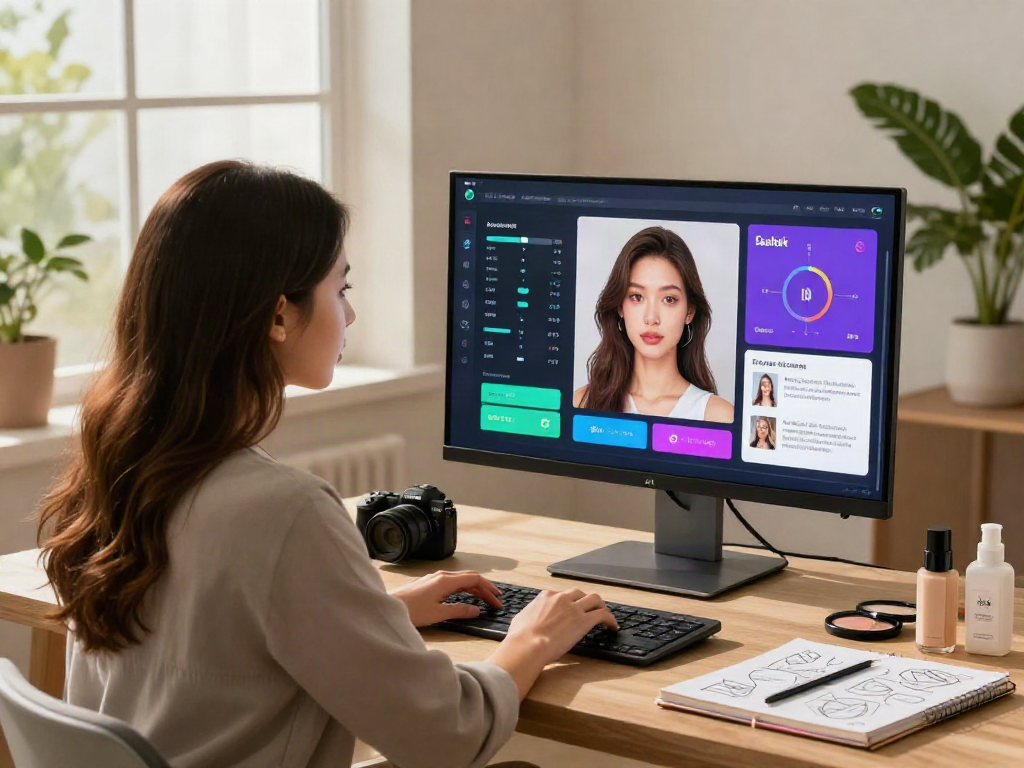
Understanding the Attractive Test
The pursuit of beauty and attractiveness has remained a timeless endeavor, driven by personal aspirations and societal standards. In recent years, technology has introduced innovative tools that allow individuals to assess their looks objectively. The attractive test is one such advancement, leveraging AI capabilities to provide personalized beauty assessments. These tests not only help users understand their attractiveness in a quantitative manner but also spark deeper conversations about beauty perceptions and standards.
What is an Attractive Test?
An attractive test is a contemporary evaluation tool designed to analyze facial features and beauty metrics. By using advanced algorithms, these tests analyze various aspects of a person’s face, including symmetry, proportions, and other attributes that are traditionally associated with aesthetic appeal. Users typically upload a photo which is then processed to generate a score that reflects their attractiveness based on predefined criteria. This approach blends technology with the age-old quest for beauty, making it accessible to anyone with a smartphone or computer.
The Science Behind AI Beauty Metrics
At the heart of attractive tests lies a complex interplay of psychology, mathematics, and art. Researchers have identified several factors that contribute to perceived beauty, including facial symmetry, the golden ratio, and skin quality. AI systems employ facial recognition technology to map out critical facial features and assess them against these scientific standards. For instance, studies have shown that symmetrical faces are often perceived as more attractive, leading AI algorithms to weigh symmetry heavily in their evaluations. Consequently, this technology aims to provide an objective assessment of beauty that reflects commonly accepted standards.
Common Misconceptions About Attractiveness
There are several misconceptions surrounding attractiveness that the attractive test helps to clarify. One common belief is that attractiveness is solely about outward appearance. While physical attributes are essential, factors such as charisma, confidence, and emotional intelligence play significant roles in how individuals are perceived. Furthermore, beauty is highly subjective and culturally influenced; what may be deemed attractive in one culture might not hold the same weight in another. Therefore, understanding the limitations and context of beauty scores is crucial for users of these tests.
How the Attractive Test Works
Facial Symmetry and Its Importance
Facial symmetry is considered one of the key indicators of attractiveness. In evolutionary terms, it suggests good health and genetic fitness. AI beauty tests evaluate how symmetrical your face is by measuring distances between facial features, such as your eyes, nose, and mouth. The more symmetrical these distances are, the higher the attractiveness score can be. However, it is essential to recognize that while symmetry is a significant factor, it is not the only determinant of beauty.
Key Features of AI-Based Evaluations
AI-based attractiveness tests typically incorporate several sophisticated features:
- Facial Landmark Detection: These algorithms identify and track critical points on the face, such as the eyes, nose, and mouth, to assess symmetry and proportions.
- Golden Ratio Analysis: Some tests analyze your facial proportions against the golden ratio, a mathematical ratio often associated with beauty.
- Skin Quality Assessment: Advanced tools can assess skin texture, clarity, and imperfections, providing a more comprehensive score.
These features collectively create a more holistic picture of attractiveness, combining physical appearance with quality metrics that affect perceived beauty.
Step-by-Step Guide to Taking the Test
Participating in an attractive test is straightforward. Here’s a simple guide:
- Choose Your Photo: Select a clear, high-resolution image where your face is prominently displayed.
- Upload the Image: Use the platform’s upload feature. Ensure that your photo meets the site’s requirements for accuracy.
- Receive Your Score: The AI will analyze your photo and provide a score, often accompanied by a breakdown of what factors influenced that score.
- Interpret Your Results: Review the evaluation to gain insights into your attractiveness and identify areas for improvement.
Benefits of Using the Attractive Test
How it Can Enhance Self-Confidence
One of the most significant benefits of taking an attractive test is the boost in self-confidence it can provide. Understanding how you measure up according to various beauty metrics can help alleviate insecurities and promote a healthier self-image. If your score is higher than expected, it may reinforce your self-esteem; conversely, a lower score can be a motivational tool for personal growth. In either scenario, knowledge can empower individuals to feel more confident in their appearance.
Practical Applications in Beauty and Fashion
The insights gained from attractive tests can be applied in various ways within the beauty and fashion industries. For instance, individuals can tailor their makeup techniques to enhance their unique features according to the test results. Similarly, fashion consultants can recommend styles that complement a person's facial symmetry and proportions, leading to more personalized and effective styling.
Comparing Your Results with Others
Another engaging aspect of attractive tests is the ability to compare scores with friends or other users. This social component can facilitate conversations about beauty standards and perceptions. It also encourages an understanding that beauty is subjective and that everyone has unique attributes contributing to their attractiveness.
Challenges and Limitations of AI Ratings
Understanding the Limitations of AI Algorithms
While AI attractiveness tests offer fascinating insights, they are not without limitations. The algorithms used to evaluate attractiveness are based on specific standards that may not encompass the full spectrum of beauty. Furthermore, technology is continually evolving; as AI becomes more sophisticated, so too will the parameters of beauty it uses to assess individuals.
Data Privacy and Personal Image Concerns
Another challenge is the concern surrounding data privacy. Users must be cautious when uploading personal images to these platforms. The storage and usage of facial data must comply with privacy regulations, and individuals should be aware of who has access to their images. Reputable platforms will provide transparency about their data handling practices.
Addressing Bias in Beauty Standards
AI systems can inadvertently reflect the biases inherent in the data they are trained on. For example, if a dataset predominantly features images of individuals from certain demographic backgrounds, the attractiveness assessment may skew towards those standards, leaving out diverse representations of beauty. Industries must acknowledge these biases and strive for inclusivity in beauty metrics.
Future Trends in Attractiveness Testing
Innovations in AI and Beauty Metrics for 2026
The future of attractiveness testing is likely to be shaped by continued advancements in AI and machine learning. Upcoming trends could include more personalized assessments that take into account individual style preferences and cultural backgrounds. Additionally, combining AI with augmented reality may allow users to visualize how different styles and personal grooming choices can enhance their attractiveness.
Emerging Tools and Resources for Users
As technology progresses, we can expect a surge of new tools and resources aimed at helping individuals better understand and enhance their attractiveness. From virtual makeup applications to personalized skin care regimens based on attractiveness scores, the possibilities are endless. These innovations will enable users to take a more active role in their self-care and beauty journeys.
Expert Predictions for Beauty Technology
Industry experts predict that as societal norms around beauty evolve, so too will the metrics used to assess it. The integration of holistic approaches that consider personality and personal style alongside physical appearance is on the horizon. This approach promises a more inclusive and diverse representation of beauty, making attractiveness testing a tool for empowerment rather than comparison.
What is the impact of technology on beauty perceptions?
Technology significantly influences how we perceive beauty by shaping expectations through social media and digital platforms. With the advent of filters and editing tools, individuals often see an idealized version of beauty, which can distort self-image. Attractive tests can provide a reality check, helping users decipher between curated online images and their authentic selves.
How can I improve my attractiveness based on the test results?
Improving your attractiveness can be approached in various ways depending on the feedback from the test. For instance, if the evaluation highlights lack of symmetry, users might explore specific makeup techniques that enhance their natural features. Incorporating skincare routines to improve skin quality or adjusting hairstyles can also make a significant difference in overall appearance.
Are AI attractiveness tests accurate and reliable?
Although AI tests provide a fascinating glimpse into beauty metrics, users should approach them with some skepticism. The accuracy of these evaluations depends on the algorithms and data used. It's essential to use these tests as part of a broader understanding of beauty rather than an absolute measure of worth.
What factors influence my attractiveness score?
Several factors can influence an attractiveness score, including facial symmetry, skin quality, and specific features such as eye shape and lip fullness. Additionally, personal grooming, style choices, and even hormonal factors can play a role in how one is perceived. Understanding these elements can guide users in making informed decisions about their beauty and self-care practices.
How do cultural differences affect attractiveness perceptions?
Cultural backgrounds significantly shape perceptions of beauty and attractiveness. Different societies have unique standards, which can affect what individuals consider attractive. For instance, some cultures may prioritize certain skin tones or body shapes over others. Therefore, it's crucial to recognize the cultural context in which beauty metrics are being applied and understood.