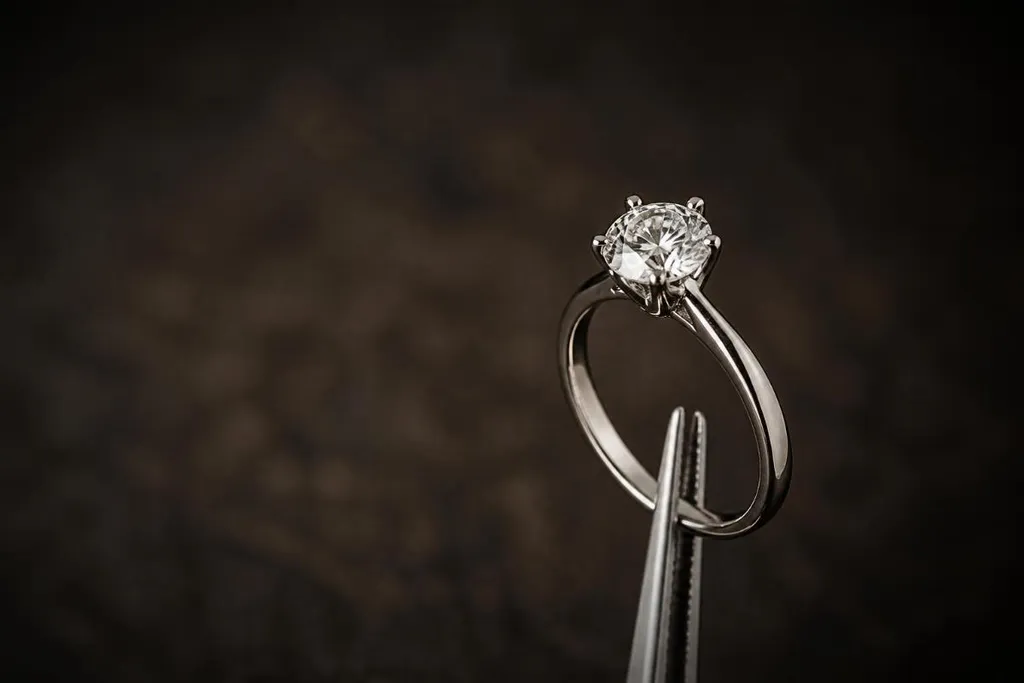
Choosing a lab-grown diamond ring involves more than deciding on carat weight. The shape of the stone, the proportions of the setting and even the way the ring fits into everyday life can make two diamonds with similar specifications feel remarkably different on the hand.
For anyone beginning their search, exploring a wide variety of lab diamond rings is a useful way to understand how different cuts and settings work together. Lab-grown diamonds offer the same essential material and optical characteristics as mined diamonds, while giving buyers considerable flexibility when balancing size, quality and design. The key is knowing which details will make the greatest difference to the finished ring.
Choosing a Diamond Cut That Suits the Wearer
The cut and shape of a diamond establish much of a ring's personality. Round brilliant diamonds remain a classic choice because their faceting is designed to produce strong brilliance and they work comfortably with almost every setting style.
Elongated shapes create a different impression. Oval, pear and marquise diamonds tend to provide greater visual coverage along the finger and can appear particularly elegant in solitaire settings. An oval diamond, for example, may appeal to someone who wants noticeable presence without the broader, more symmetrical appearance of a round stone.
Emerald cuts offer another direction entirely. Their long facets and stepped structure produce flashes of light rather than the intense sparkle associated with brilliant cuts. This makes them particularly suited to buyers who prefer crisp geometry and a sophisticated, understated look.
Cushion and radiant cuts sit somewhere between these styles, combining substantial presence with lively brilliance. Looking beyond popularity and considering the wearer's existing jewellery often provides the best indication of which shape will feel natural long term.
Understanding Carat Size and Proportion
Carat is a measurement of weight, not simply visible size. Two diamonds of the same carat weight can therefore appear different depending on their shape, dimensions and how their weight is distributed.
This becomes particularly important with lab-grown diamonds because buyers may have greater scope to consider larger centre stones within their chosen budget. Moving from a 1-carat to a 2-carat diamond, however, should not be treated purely as an upgrade in size.
Someone may prefer a 2-carat stone because its proportions balance beautifully with wider fingers, because they favour a statement aesthetic, or because a minimalist solitaire setting allows a larger diamond to remain elegant rather than ornate. Conversely, a smaller centre stone can feel more refined on a petite hand and may be better suited to an active lifestyle.
The most convincing ring is usually the one where the stone, band and wearer's hand feel proportionate to one another.
Selecting a Setting for Style and Everyday Wear
A solitaire is perhaps the clearest expression of a lab-grown diamond, placing almost all visual attention on the centre stone. It also offers considerable versatility, particularly for buyers who want flexibility when selecting a wedding band later.
Halo settings introduce additional diamonds around the centre stone, increasing overall brilliance and creating a larger visual footprint. Three-stone designs distribute that presence across the finger and can feel more substantial without relying entirely on one large central diamond.
Practical considerations matter too. Higher settings can create a dramatic profile and allow light to reach the diamond effectively, but they may catch more easily on clothing. Lower-profile designs can be preferable for someone who regularly works with their hands.
Metal choice also changes the final appearance. Platinum and white gold create a cool, seamless backdrop, while yellow or rose gold can provide deliberate contrast against the diamond.
Compare the Ring as a Complete Design
Diamond specifications are valuable, but they should not be assessed in isolation. Once several options have been shortlisted, compare the complete rings rather than concentrating solely on individual grading figures.
Look at the relationship between the diamond and band width, the height of the setting and the amount of finger coverage. Consider whether the design will pair comfortably with a wedding band and whether its level of detail matches the wearer's usual style.
A well-chosen lab-grown diamond ring should look considered from every angle rather than impressive only on paper.
Final Thought
Lab-grown diamonds provide considerable freedom to explore different cuts, carat weights and settings, but more choice does not need to make the decision complicated. Start with the wearer's preferred aesthetic, consider realistic everyday use and then compare proportions rather than specifications alone.
Ultimately, the strongest choice is the ring that feels balanced and personal—one that will remain appealing long after the initial excitement of choosing it has passed.