Why Screen-Free Play is Essential for Kids
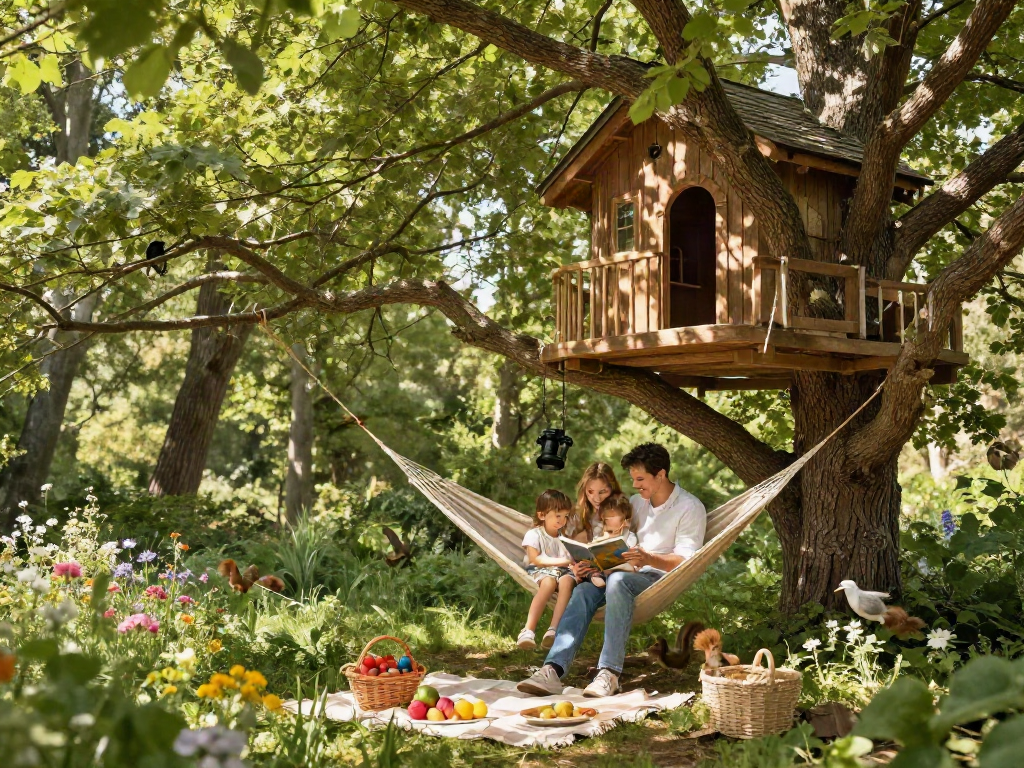
In an age where digital devices dominate entertainment options, encouraging screen-free play is more crucial than ever. Screen-free play fosters creativity, encourages social interaction, and enhances critical development skills. Engaging in hands-on activities not only benefits children mentally but also physically, making it an essential aspect of upbringing. For more insights and ideas on screen-free activities, you can visit the website that highlights innovative ways to inspire play.
Understanding the Importance of Hands-On Learning
Hands-on learning is an approach that emphasizes active participation over passive consumption. By touching, building, and manipulating materials, children can experience concepts in a tangible way. This method enhances cognitive abilities through problem-solving, creativity, and critical thinking. Research indicates that kinesthetic learning, where children learn by doing, significantly boosts understanding and retention compared to traditional learning methods.
Activities that require children to build, create, and explore engage multiple senses, thereby enriching their learning experiences. This form of play promotes a deeper understanding of the world around them, as children connect physical actions with theoretical knowledge.
Impact on Creativity and Imagination
Screen-free playspaces are vibrant environments where creativity and imagination thrive. When children are provided with materials to manipulate—such as clay, paint, or building blocks—they engage in imaginative play that can lead to innovative thinking. Pretend play, for instance, allows children to create narratives, roles, and worlds, nurturing their storytelling abilities and creative skills.
Engaging in creative play also has emotional benefits. It provides an outlet for expressing feelings and thoughts, which can enhance emotional intelligence and resilience. The rich play experiences facilitate personal growth, allowing children to envision possibilities and solutions beyond their immediate surroundings.
Benefits of Reducing Screen Time
While screens can offer educational content, extended exposure can lead to various developmental challenges. Reducing screen time encourages children to be more physically active, reducing the risk of obesity and enhancing motor skills through physical play. Moreover, reduced screen exposure decreases the likelihood of issues such as attention difficulties and anxiety often linked to excessive viewing.
Fostering an environment where children can engage in screen-free activities allows for the development of better social skills. As children play with peers, they learn to cooperate, share, and negotiate, laying a foundation for healthy interpersonal relationships. This kind of interaction also builds confidence as they learn to express themselves verbally, understand body language, and navigate social dynamics.
Top Screen-Free Toys for Fine Motor Skills
Building Blocks for Coordination
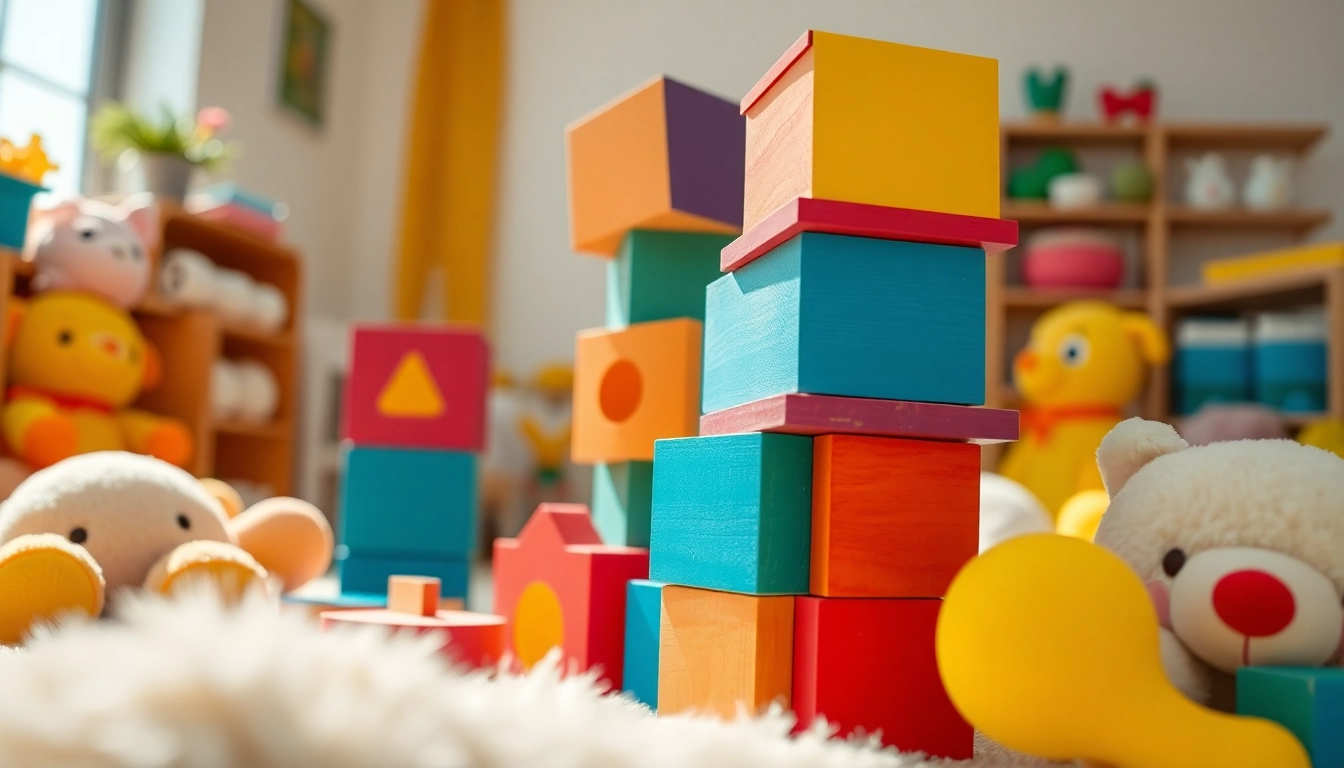
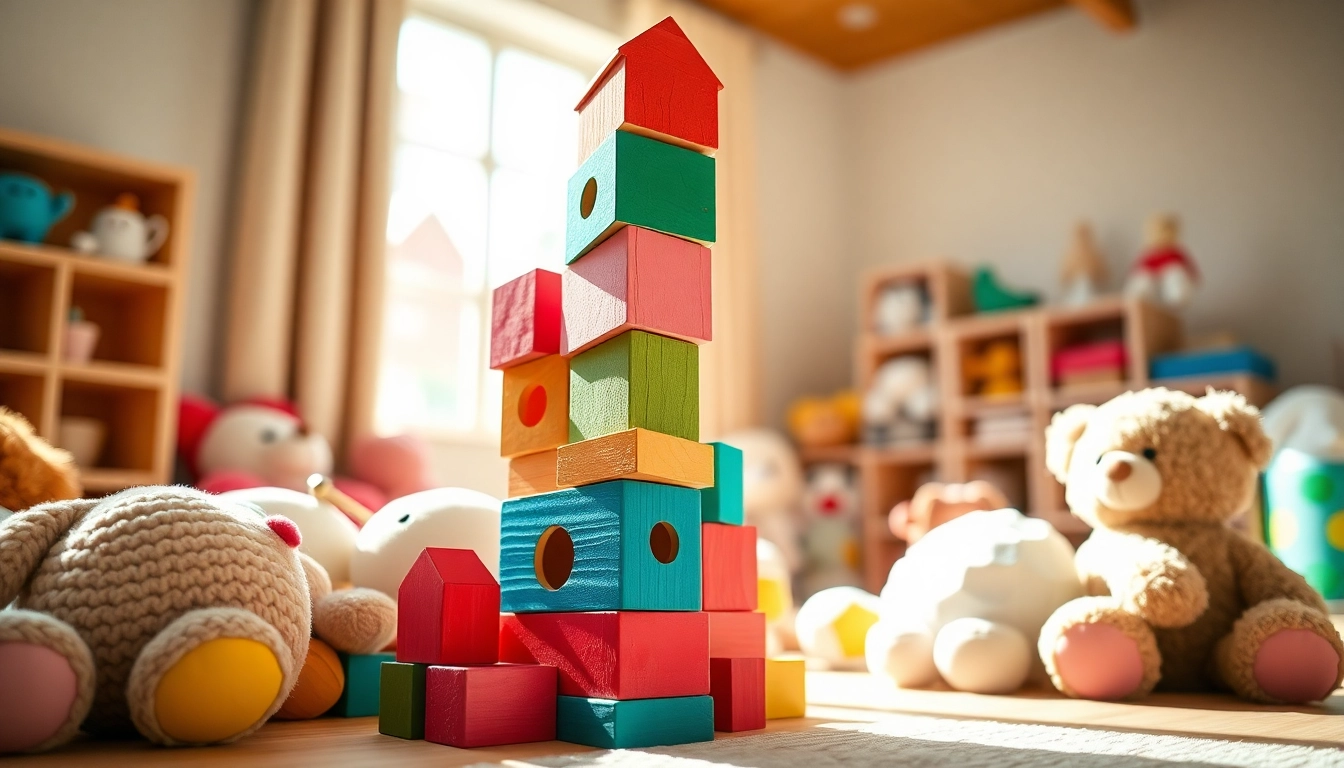
Building blocks are a timeless screen-free toy that promote fine motor skills through manipulation and stacking. These toys encourage spatial awareness and critical thinking as children experiment with balance and gravity while designing structures. Through play, children refine their hand-eye coordination, finger dexterity, and problem-solving abilities.
Different types of building blocks, from classic wooden sets to interlocking plastic pieces, present varied challenges that cater to different age groups and skill levels, ensuring that as a child's abilities grow, their play can evolve too.
Craft Kits for Artistic Expression
Craft kits come in multiple forms, including painting, weaving, and sculpting, offering myriad ways for children to express their creativity. These kits not only spark imagination but also provide opportunities for fine motor skill development through cutting, gluing, and assembling components. Engaging with craft materials allows children to make decisions about their creations, fostering a sense of accomplishment when completing projects.
Additionally, the multi-step processes involved in crafting enhance focus and patience. As children work through their creative projects, they learn to express emotions, work through frustrations, and celebrate successes, contributing to their emotional well-being.
Puzzles to Challenge Young Minds
Puzzles are excellent for cognitive development, promoting problem-solving skills and enhancing concentration. As children work to fit pieces together, they develop spatial reasoning, critical thinking, and persistence. The satisfaction of completing a puzzle reinforces their capabilities, encouraging further exploration and engagement.
Challenges can be tailored to age and skill level, ensuring that puzzles remain enjoyable and not frustrating. By incorporating puzzles into playtime, parents provide an engaging way for children to develop essential skills while having fun.
Outdoor Activities That Engage Kids
Exploring Nature through Outdoor Toys
Outdoor play is vital for children’s physical and mental health. Toys that encourage exploration—like binoculars for birdwatching, bug-catching kits, or nature scavenger hunts—invite children to discover their environment actively. These activities foster a connection to nature, promoting ecological awareness and respect.
Exploring the outdoors through play allows children to engage their senses—seeing, hearing, and touching—while developing an appreciation for their natural surroundings. Studies indicate that time spent outdoors enhances mood, reduces stress, and increases overall well-being among children.
Games That Encourage Group Play
Group games serve as excellent tools for social development. Activities such as tag, hide and seek, or relay races promote teamwork and communication. Children learn to cooperate, strategize, and resolve conflicts, which are crucial skills for their development.
These games also drive physical activity, supporting cardiovascular health and motor skill refinement. By fostering an environment of friendly competition, children gain confidence and resilience as they navigate wins and losses with their peers.
Building Backyard Forts for Adventure
Creating forts with outdoor materials or large blankets can turn backyards into magical worlds. This type of imaginative play enhances creativity, problem-solving, and teamwork, especially when children collaborate on building projects. Fort-building encourages kids to think spatially, organize their ideas, and utilize their resources effectively.
Moreover, these fort-building experiences enable children to create their narratives, making the play even more engaging. As they stage make-believe scenarios, they practice social skills and emotional regulation, all while having a great time!
DIY Screen-Free Play Ideas at Home
Creating Your Own Craft Corner
A dedicated craft corner at home can ignite creativity and inspire children to explore artistic endeavors. Stock it with a variety of materials—paper, markers, clay, and recyclables—inviting kids to engage in open-ended projects. Encourage children to express their ideas without fear of judgment, offering guidance as needed.
Providing space for creative growth fosters confidence in children's abilities to create and innovate. You may surprise yourself with the masterpieces they produce when given the freedom and resources to explore their artistic inclinations.
Setting Up a Sensory Play Station
Sensory play stations can stimulate children's senses and enhance learning through exploration. Incorporating items like rice, sand, water beads, and textured materials can provide hours of engagement. These activities are especially beneficial for developing fine motor skills as children pour, scoop, and manipulate various textures.
By creating a variety of sensory experiences, children can engage in therapeutic play that helps them process emotions and develop regulation strategies. This kind of play is critical for overall development, particularly for younger children who benefit greatly from sensory experiences.
Incorporating Everyday Items in Play
Everyday household items can transform into exciting play tools. Boxes can become castles, kitchen utensils can be instruments, and clothes can be costumes for imaginative scenarios. Encouraging creative play with common items inspires resourcefulness and problem-solving.
By promoting imaginative projects using ordinary materials, you help children see the extraordinary potential of their surroundings. This not only saves money but also teaches children to appreciate and explore, fostering a lifelong love for creativity and inventiveness.
Frequently Asked Questions about Screen-Free Toys
What are some examples of screen-free toys?
Screen-free toys include building blocks, arts and crafts kits, puzzles, action figures, and outdoor toys like balls or scooters that enhance physical play and creativity.
How do screen-free toys help develop skills?
These toys promote fine motor skills, cognitive functions like problem-solving, creativity, and social skills as children interact and play together.
Can screen-free toys keep my child engaged?
Absolutely! Screen-free toys encourage active participation, fostering curiosity and creative thinking, which captivates children's attention for extended periods.
Are there toys suited for different age groups?
Yes! Screen-free toys cater to various developmental stages, from simple blocks for toddlers to complex craft kits and puzzles for older children.
How can I encourage screen-free play at home?
Create dedicated play spaces, limit screen time, offer diverse toys, and engage in play with your child to foster an environment that values screen-free activities.