Understanding Treehouses: An Overview
Treehouses have long been synonymous with childhood fantasies, providing a haven where imagination meets nature. In recent years, they have evolved beyond mere play structures into intricate retreats that cater to various age groups and interests. As wellness and nature-centric living gain momentum, the charm of these elevated retreats captivates adventurers and relaxation seekers alike. Whether you are contemplating constructing your own or simply looking to experience the serene beauty of treehouses, understanding their integral aspects can deepen your appreciation for this unique form of architecture.
What Are Treehouses and Their Purpose?
At their core, treehouses are small structures built among the branches of trees. Initially designed for children as places to play, they now serve a variety of purposes. Many treehouses are constructed for recreational use, providing a space for families to bond away from the hustle and bustle of daily life. Others are rented out as quirky accommodations in beautiful natural settings, merging the experience of living in a tree with modern comforts. This evolution has transformed treehouses into versatile spaces, whether for relaxation, play, or even work.
Types of Treehouses: From Simple to Luxurious
The design of treehouses can range dramatically, reflecting the diverse desires and needs of their builders. Here are some common types:
- Playhouses: Often simple structures intended for children, these treehouses focus on safety and access for younger users.
- Luxury Treehouses: These upscale designs include amenities such as running water, electricity, and even air conditioning, perfect for glamping experiences.
- Creative Spaces: Many utilise treehouses for artistic endeavours, such as writing hideaways or art studios, where the calming presence of nature can enhance creativity.
- Observation Decks: Some treehouses are designed primarily for panoramic views, ideal for bird-watching or simply enjoying the surrounding landscape.
The History and Cultural Significance of Treehouses
The history of treehouses is as varied as their designs. Ancient civilisations, such as the Tai people of Malaysia and the native tribes in the Amazon, built elevated dwellings to avoid predators and floods. In contemporary culture, treehouses symbolise childhood innocence and adventure. They often evoke nostalgia, prompting adults to reconnect with their inner child. Today, they also represent a shift towards eco-conscious living, promoting harmony with nature and sustainable practices.
Designing Your Dream Treehouse
Creating the perfect treehouse requires careful planning and a deep understanding of practical considerations. The design process is essential to ensure safety and functionality while also capturing the desired aesthetic.
Key Considerations for Treehouse Safety
Safety is paramount in treehouse construction. It is crucial to choose the right tree, considering its health, size, and strength. Secure foundations must be established, with attention paid to the type of materials used. Additionally, installing safety features such as guardrails and proper access methods is vital to keep occupants safe, especially children.
Choosing the Right Location and Tree Type
The location of your treehouse greatly affects its usability and enjoyment. Ideal tree species include oak, cedar, and fir, known for their sturdiness. Consideration of the surrounding environment is essential; proximity to water sources, sunlight, and wind exposure can all impact the overall experience.
Essential Features for a Functional Treehouse
While each treehouse can be unique, certain features enhance functionality:
- Access: Ladders, stairs, or rope bridges can provide safe access.
- Windows: These allow for natural light and ventilation.
- Outdoor Decking: Elevating the space with a deck can create extra areas for relaxation.
- Furniture: Incorporating foldable or lightweight furniture optimises space while promoting comfort.
Building Your Treehouse: Step-by-Step Guide
Once the design has been finalised, it’s time to delve into the actual construction of your dream treehouse. This process can be as fulfilling as the final result, whether you choose to embark on a DIY project or hire professionals.
Planning and Designing Your Treehouse Layout
A well-thought-out layout is crucial. Sketching the design concept and considering factors such as space usage, safety measures, and aesthetic appeal can help streamline the building process. Including features like a balcony or a small kitchenette can enhance usability.
Materials to Use for Durability and Safety
Choosing the right materials can significantly affect the longevity and safety of your treehouse. Pressure-treated wood is commonly used for its resistance to decay, while metal brackets can provide additional stability. Also, consider weather-resistant paints or finishes to protect the treehouse from the elements.
DIY vs Professional Builders: Pros and Cons
Deciding between a DIY project or hiring professionals can depend on your budget, skills, and time availability. A DIY approach can be cost-effective and fulfilling but may require significant time and know-how. On the other hand, professional builders can offer expertise and ensure structural integrity, albeit at a higher cost.
Treehouse Activities for Families
Treehouses provide a fantastic backdrop for family bonding and adventure. Designing activities around the unique environment can foster unforgettable experiences for all ages.
Fun Games and Ideas for Children
Children often find joy in simple games that utilise the treehouse's natural setting:
- Treasure Hunts: Organising scavenger hunts encourages exploration and teamwork.
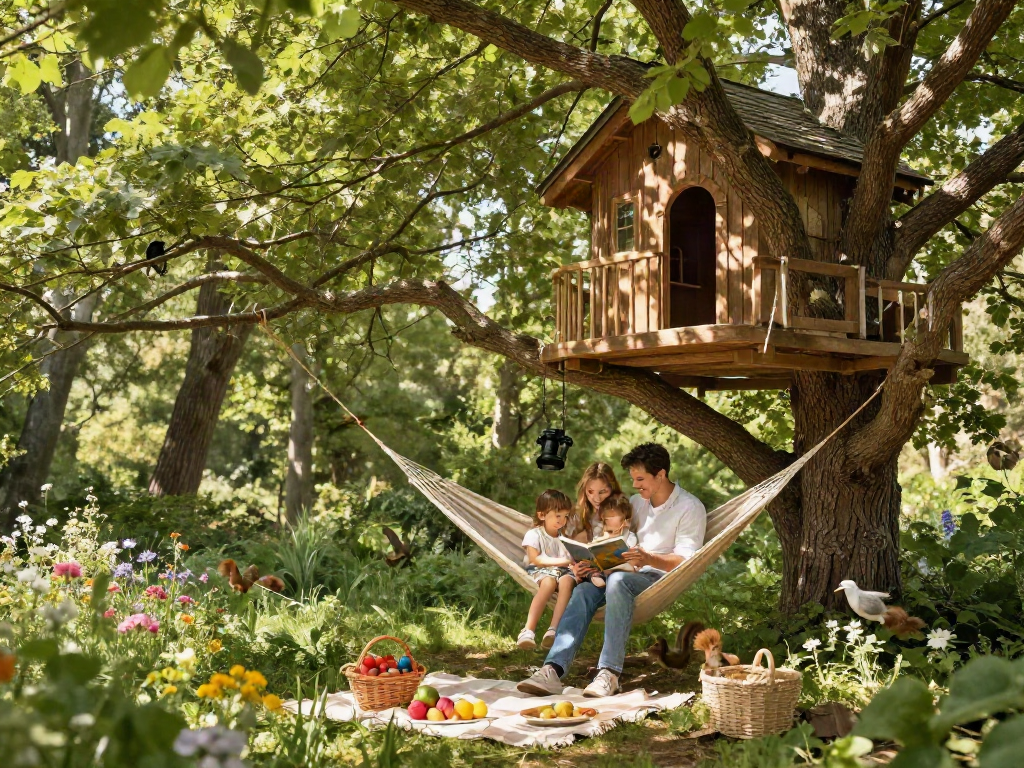
- Storytelling Sessions: The secluded atmosphere makes for perfect storytelling or reading sessions.
- Crafting Spaces: Encourage creativity with arts and crafts that draw inspiration from nature.
Incorporating Nature Learning and Activities
Treehouses can also serve as educational platforms, where children can learn about the environment. Providing nature journals can encourage observation and documentation of wildlife.
Creating Memorable Family Experiences in Your Treehouse
Family activities such as movie nights under the stars or shared meals can create treasured memories. Investing time in meaningful interactions enhances the experience beyond just a physical structure.
Future Trends in Treehouse Living
The future of treehouse living is poised to become even more innovative and sustainable, reflecting society's growing focus on eco-consciousness.
Sustainable Materials and Eco-Friendly Designs
As environmental awareness increases, treehouse designs are incorporating sustainable materials such as reclaimed wood and eco-friendly finishes. This trend allows builders to lessen their ecological footprint while creating stunning and functional structures.
Innovations in Treehouse Technology
Technological advancements are also beginning to play a role in treehouse design. From solar energy solutions to smart home features like automated lighting systems, integrating technology can enhance comfort and sustainability.
The Growing Popularity of Treehouse Rentals
As the demand for unique vacation experiences rises, treehouses are becoming popular rental options. Offering a blend of adventure and comfort, they attract those seeking a unique getaway immersed in nature.
How much money does it cost to build a treehouse?
The cost of building a treehouse can vary widely based on factors such as size, materials, and location. Simple structures may start around £1,000, while more elaborate designs can exceed £20,000. It's essential to budget carefully and consider ongoing maintenance costs.
Is it legal to build a treehouse in your backyard?
Local regulations can dictate the legality of treehouse construction. In many areas, you may need a building permit if the structure exceeds a certain height or size. It's advisable to check with local authorities before beginning construction.
How long do treehouses last?
With proper maintenance and quality materials, treehouses can last for many years. Regular inspections and upkeep of both the structure and the tree can help prolong its lifespan significantly.