Understanding Equipment Service
What is Equipment Service?
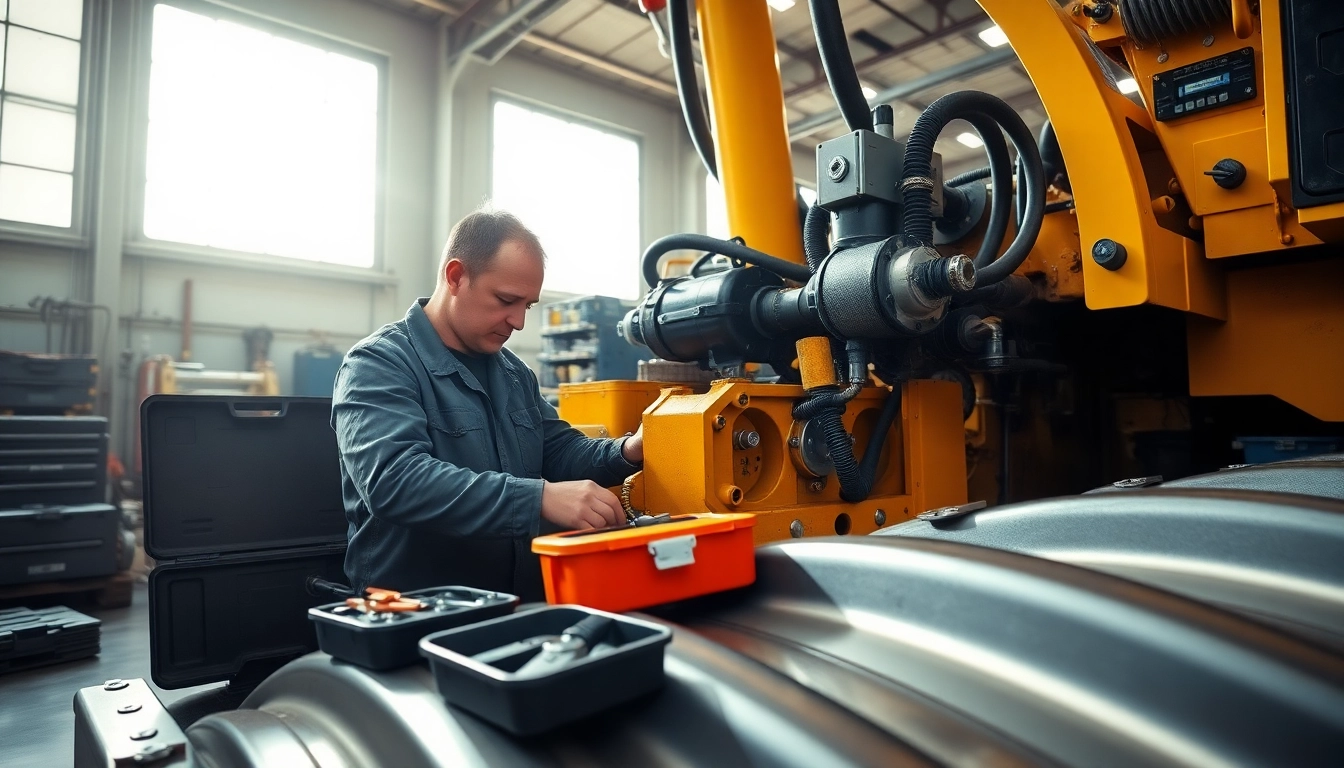
Equipment service refers to a comprehensive suite of activities geared towards maintaining, repairing, and enhancing the performance of various machinery used across industries. This can encompass everything from preventive maintenance to emergency repairs, ensuring that equipment operates at optimal efficiency. A key objective of equipment service is to minimize downtime, extend the lifespan of machinery, and optimize operational performance. For businesses and contractors, understanding the nuances of equipment service can be a crucial step in ensuring that tools and machinery remain in a state of readiness, thus supporting productivity and profitability.
Importance of Regular Maintenance
Regular maintenance is critical for several reasons. First, it helps in identifying potential issues before they escalate into serious problems that could lead to unexpected equipment failures. This not only ensures consistent workflow but also acts as a cost-saving measure by avoiding extensive repairs. Second, regular service helps in maintaining safety standards, preventing accidents caused by malfunctioning equipment. Lastly, consistent upkeep enhances the overall lifespan of the machinery, leading to better return on investment for businesses.
Key Components of Equipment Service
Key components of equipment service typically include:
- Inspection: Regular checks to assess the condition of machinery.
- Cleaning: Ensures machinery is clear of debris that could hinder performance.
- Lubrication: Reduces friction and wear on moving parts.
- Parts Replacement: Timely swapping out of exhausted components can prevent major failures.
- Calibration: Ensures equipment is operating within designated parameters.
Types of Equipment Service Offered
Preventative Maintenance
Preventative maintenance is a proactive approach where routine checks and tasks are performed on equipment to prevent breakdowns. This includes scheduled inspections and testing of various systems within the machinery. By adhering to a preventative maintenance schedule, equipment owners can significantly enhance reliability and performance.
Scheduled Repairs
Scheduled repairs are planned activities that focus on fixing known issues identified during inspections. Rather than reacting to failures, scheduled repairs allow businesses to plan downtimes efficiently, ensuring that repairs can take place at times that least impact operational productivity. This could involve anything from replacing worn-out parts to addressing system calibrations.
Emergency Services
Despite the best preventative measures, emergencies can arise. Emergency services provide immediate support for machinery that has unexpectedly failed or is malfunctioning. This can often involve on-site repairs to minimize downtime and prevent disruption to business operations. Quick response teams are trained to diagnose and rectify issues promptly, reducing the impact on productivity.
Choosing an Equipment Service Provider
Factors to Consider
Selecting the right equipment service provider is crucial for ensuring that machinery receives the highest quality care. Key factors to consider include:
- Experience: Look for providers with a proven track record in your specific industry.
- Certification: Ensure technicians are qualified and certified in handling your type of equipment.
- Range of Services: Choose a provider that offers a comprehensive suite of services to meet diverse needs.
- Response Time: Quick response times are critical for mitigating downtime during emergencies.
- Reputation: Research reviews and testimonials to gauge service quality.
Questions to Ask
When vetting potential service providers, consider asking the following questions:
- What are your response times for emergency services?
- Can you provide references from similar clients?
- What warranty do you offer on parts and labor?
- Do you provide maintenance contracts? If so, what do they include?
- How do you handle issues found during a service call?
Evaluating Service Agreements
A well-structured service agreement clearly outlines the responsibilities of both parties, detailing aspects such as service frequency, costs, and emergency contact procedures. When reviewing a contract, ensure that it includes specific service levels, guarantees on work performed, and comprehensive definitions of what is included in the service package. Understanding these elements can prevent misunderstandings and ensure that both parties are aligned in their expectations and obligations.
Benefits of Professional Equipment Service
Increased Equipment Longevity
Investing in professional equipment service is a strategic decision that can significantly enhance the lifespan of machinery. Regular maintenance prevents wear and tear, ensuring that equipment performs efficiently for many years. Studies show that consistent upkeep can extend machinery life by 20% to 30%, allowing businesses to maximize their investment.
Enhanced Safety Measures
Safety should always be a priority in any operational environment. Professional equipment service significantly enhances safety by ensuring that machinery is compliant with industry standards and that all safety features are functional. Regular inspections help identify safety issues before they result in accidents, protecting both workers and equipment.
Cost Efficiency Over Time
While there is an initial cost associated with professional service, the long-term savings can be substantial. Well-maintained equipment is less prone to major breakdowns, which can be costly in terms of repairs and lost productivity. Moreover, organizations often find that regular maintenance helps lower operational costs by improving efficiency and reducing fuel consumption.
FAQs About Equipment Service
What is equipment servicing?
Equipment servicing involves regular inspection and maintenance tasks to ensure equipment operates efficiently, preventing failures and extending its lifespan.
How often should equipment be serviced?
The frequency of equipment service depends on usage, type of equipment, and manufacturer recommendations, but typically ranges from monthly to quarterly.
What happens during an equipment service?
An equipment service typically includes inspection, cleaning, lubrication, parts replacement, and calibration to ensure optimal functionality.
Can I perform my own equipment service?
While some minor maintenance tasks can be done by operators, it's advisable to engage professionals for comprehensive servicing to ensure safety and reliability.
How do I find an equipment service provider?
To find a reliable equipment service provider, consider industry referrals, online reviews, and local business directories to evaluate potential candidates.
Contact Information
Call Us: 4062607988Address: 3906 MT-40, Columbia Falls, MT 59912