Understanding Integrated Modular Systems
Integrated Modular Systems represent a modern approach to engineering and design, offering highly specialized solutions across various industries, notably in water treatment. These systems combine essential components into cohesive units, enabling enhanced efficiency, flexibility, and performance. As industries increasingly face complex challenges, the integration of modular systems becomes a pivotal strategy for businesses looking to optimize their operations. For a comprehensive understanding of these systems and their transformative potential, you can explore our Integrated Modular Systems.
What Are Integrated Modular Systems?
Integrated Modular Systems refer to a framework that includes multiple functional modules designed to work together seamlessly. These systems can be found in various applications, ranging from construction to waste management, each tailored to meet specific operational requirements. By consolidating various elements, integrated systems allow for quicker deployment, simplified maintenance, and enhanced overall performance.
Key Components and Technologies Used
At the heart of Integrated Modular Systems are several core components and technologies. These typically include:
- Modular Units: Pre-fabricated components allow for rapid assembly and disassembly.
- Control Systems: Advanced monitoring and control mechanisms enable real-time adjustments to optimize performance.
- Integration Software: Software solutions that facilitate communication between modules and streamline operations.
- Sensors and Automation: Devices that provide data collection and automation capabilities, enhancing efficiency and accuracy.
The Role of Integrated Modular Systems in Water Treatment
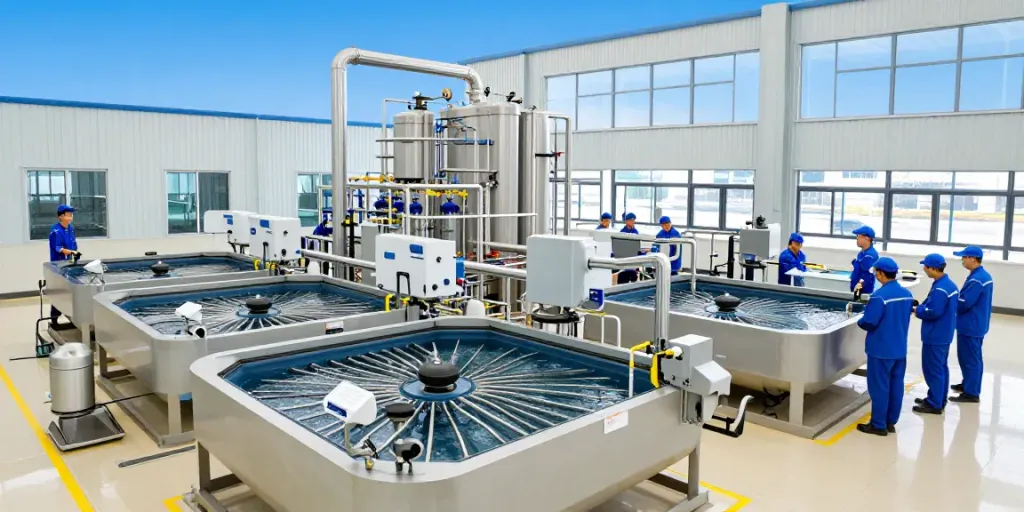
In the realm of water treatment, Integrated Modular Systems are game-changers. They enable facilities to address various water quality challenges while adopting a more sustainable approach. The integration of different treatment technologies, such as chemical dosing systems and membrane filtration, allows for comprehensive solutions that can handle diverse contaminants and varying water qualities.
Benefits of QILEE's Integrated Modular Systems
Improved Operational Efficiency and Cost Savings
One of the most compelling benefits of QILEE's Integrated Modular Systems is the significant improvement in operational efficiency. By utilizing interconnected modules, facilities can reduce downtime, streamline processes, and lower operational costs. This efficiency translates into substantial savings over time, making integrated systems an attractive option for water treatment facilities striving to maximize their ROI.
Flexibility and Scalability in Water Management
Another notable advantage is the flexibility these systems offer. As demands change, modular systems can easily be scaled up or down. This adaptability is particularly beneficial in water treatment applications where varying flows and contaminant levels necessitate a dynamic response. Whether expanding existing systems or deploying new modules, QILEE's solutions provide the required flexibility to meet changing needs.
Enhanced Environmental Sustainability Practices
Integrated Modular Systems contribute significantly to environmental sustainability. They are designed to optimize resource use, minimize waste, and reduce energy consumption. By implementing efficient water treatment processes, facilities can achieve compliance with stringent environmental regulations while promoting responsible water usage and safeguarding natural resources.
Common Challenges with Integrated Modular Systems
Addressing Misconceptions in Usage and Application
Despite their many advantages, Integrated Modular Systems are often misunderstood. Some potential users may believe that they lack the robustness of traditional systems. However, with advancements in technology and engineering, these systems have proven their durability and effectiveness across various applications.
Maintenance and Operational Hurdles
Maintaining integrated systems can pose challenges, particularly if proper training is not provided. Operational staff must be equipped with the knowledge and skills necessary to handle maintenance tasks effectively, ensuring optimal system performance over time. Regular training and robust support structures are essential to overcome these hurdles.
Regulatory Compliance and Standards Issues
Navigating regulatory compliance can be complex when implementing Integrated Modular Systems. Facilities must ensure that all components meet relevant standards and guidelines. Engaging with experienced manufacturers like QILEE can help streamline this process, ensuring that systems are compliant from the outset and reducing the risk of regulatory issues in the future.
Best Practices for Implementation
Steps to Successfully Integrate Modular Systems
Implementing Integrated Modular Systems requires careful planning and execution. The following steps can help ensure success:
- Thorough Assessment: Evaluate specific needs and challenges to determine the most suitable modular solutions.
- Engage with Experts: Collaborating with manufacturers can provide additional insights into the best practices for integration.
- Test and Validate: Before full-scale implementation, conduct pilot tests to validate system effectiveness and reliability.
- Training and Support: Provide comprehensive training to staff to ensure they understand operation and maintenance protocols.
Utilizing Data for Performance Optimization
Data is a powerful tool for optimizing the performance of Integrated Modular Systems. By leveraging real-time data and analytics, facilities can monitor system performance, identify inefficiencies, and implement corrective actions swiftly. This proactive approach can lead to enhanced operational efficiency and improved treatment outcomes.
Training Staff for Efficient Operations
Equipping staff with the necessary training is paramount. Regular workshops and training sessions can enhance employees’ understanding of integrated system operations and maintenance, leading to smoother processes and reduced downtime. Encouraging a culture of continuous learning fosters better performance and job satisfaction among employees.
Future Trends in Integrated Modular Systems (2026 and Beyond)
Advancements in Technology and Design
The landscape of Integrated Modular Systems is poised for rapid advancements. Emerging technologies such as artificial intelligence (AI) and machine learning (ML) will play a vital role in enhancing system design and functionality. These technologies can facilitate predictive maintenance, reducing operational interruptions and extending system life.
Anticipated Market Changes and Opportunities
As global water challenges intensify, the demand for Integrated Modular Systems will likely rise. This encompasses not only water treatment but also sourcing alternative water supplies and managing wastewater effectively. Companies that adapt to these market changes will find ample opportunities for growth and innovation in the integrated systems domain.
The Shift Towards Intelligent Water Management Solutions
The future of Integrated Modular Systems will also see a shift towards more intelligent water management solutions. By incorporating IoT technologies, facilities can monitor water quality in real-time, optimize resource use, and respond dynamically to system demands. This intelligence will redefine how water is managed, paving the way for smarter and more sustainable practices.