What is Pipeline Rehabilitation CIPP Liner?
Pipeline rehabilitation using CIPP (Cured-In-Place Pipe) liners is an innovative technique aimed at restoring the structural integrity of existing pipelines without the need for extensive excavation. This method is becoming increasingly popular due to its efficiency and cost-effectiveness, minimizing unnecessary disruptions and environmental impact. The process involves inserting a flexible liner saturated with resin into a damaged pipeline. The resin is then cured, usually by steam or hot water, to form a rigid pipe within the original one, thus providing a new, durable layer of protection.
Definition and Process
Cured-in-place pipe lining is a trenchless rehabilitation method specifically designed for restoring existing pipelines, including sewer lines, storm drains, and industrial pipes. The CIPP process begins with inspecting the damaged pipe to assess its condition. After cleaning the pipe thoroughly to remove any debris, a flexible liner is inserted into the pipe. The liner, pre-coated with a thermosetting resin, is then expanded against the existing pipe walls and cured through various methods. The curing process can take place either in situ or in a controlled external setup, depending on project requirements. Once cured, the liner forms a solid, watertight seal, effectively stopping leaks and preventing future damage.
Benefits of CIPP Lining
The benefits of employing Pipeline Rehabilitation CIPP Liner technology are substantial. First and foremost, this method significantly reduces downtime since the rehabilitation can often be done quickly, with the entire process completed in just one day for smaller projects. Additionally, CIPP lining extends the lifespan of the original pipe by another 30 to 50 years, providing considerable return on investment.
Other advantages include:
- Cost-Effective: The overall cost of CIPP rehabilitation is often lower than traditional excavation methods due to reduced labor and material costs.
- Minimal Excavation: The trenchless nature of CIPP minimizes surface disruption, reducing restoration costs and time.
- Environmentally Friendly: Since minimal digging occurs, the environmental impact is greatly reduced.
- Versatility: CIPP can be used for various applications, including lateral connections and mainline repairs.
When to Choose CIPP Rehabilitation
CIPP rehabilitation should be considered when the existing pipeline is structurally compromised but still fundamentally sound. Common indicators for using CIPP include:
- Presence of leaks or inflow issues.
- Corrosion affecting the integrity of the pipe.
- Cracks or breaks that require immediate repair.
- Pipes that have reached the end of their useful life.
This method is also ideal for areas where traditional excavation would be disruptive to traffic or the environment, making it a smart choice for urban settings.
Key Components of Pipeline Rehabilitation
The Liner Material
The choice of liner material is critical to the success of the CIPP process. Common materials include fiberglass, polyester felt, and polyethylene, each having unique qualities that affect the liner's strength, flexibility, and corrosion resistance. Fiberglass liners are well-known for their high tensile strength, while polyethylene liners offer excellent resistance to chemical exposure, making them suitable for industrial applications.
Resin Application Techniques
Resin application techniques also play a pivotal role in CIPP effectiveness. The resins are often thermosetting, meaning they harden irreversibly upon curing. The application method can influence the curing time and the bond between the liner and the existing pipe. Common techniques include:
- Pressure Saturation: Involves injecting resin into the liner under pressure.
- Vacuum Saturation: The air is removed from the liner causing it to draw in the resin.
Selecting the appropriate method depends on the specific needs of the project and the type of liner used.
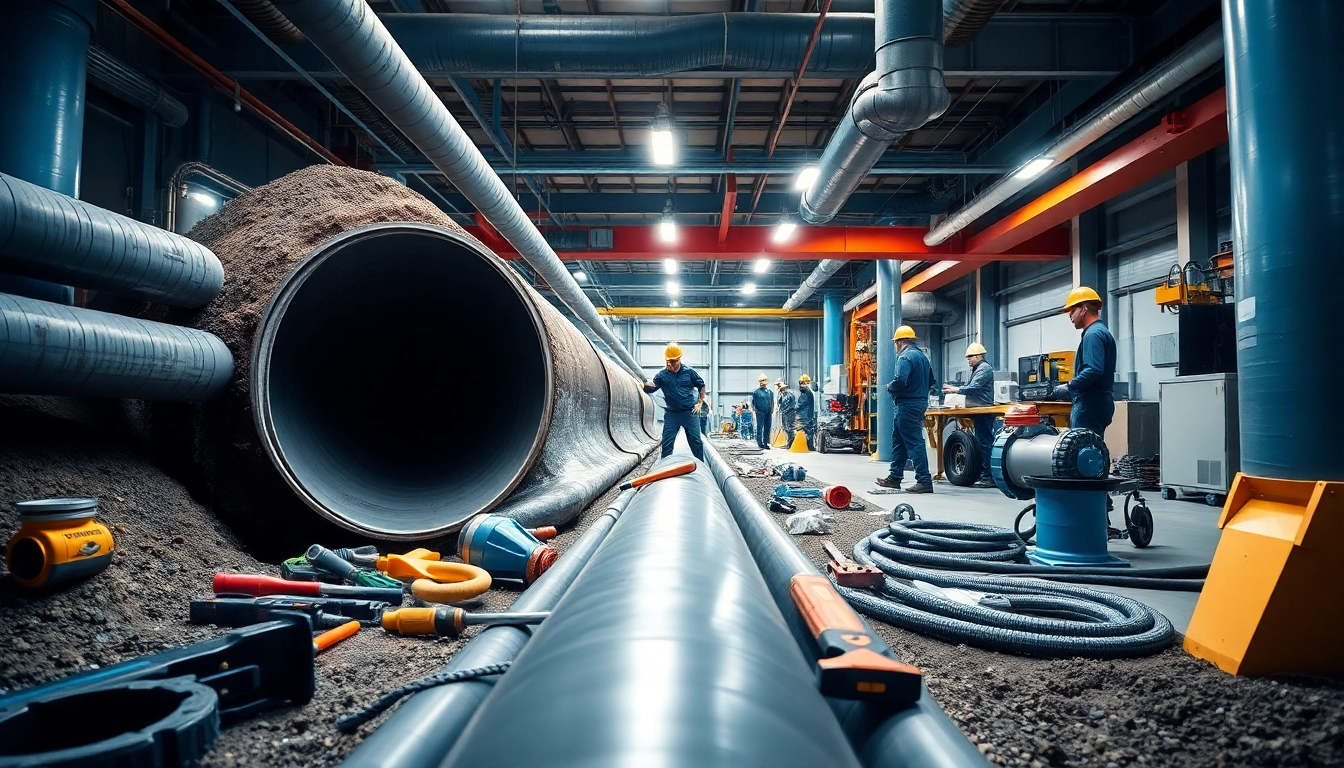
Tools and Equipment Needed
Effective CIPP installation requires specific tools and equipment, including but not limited to:
- CCTV cameras for inspection.
- Pipe cleaning equipment such as high-pressure water jets or mechanical scrapers.
- Insertion equipment for the liner, including blowers or winches.
- Heating elements for curing such as steam generators or hot water tanks.
Investing in high-quality tools can greatly enhance the efficiency and effectiveness of the process, ensuring successful initiatives.
Best Practices for CIPP Liner Installation
Preparation Steps
A successful CIPP installation begins with thorough preparation. This may include the following steps:
- Conducting an initial video inspection to assess the pipe condition.
- Cleaning the pipe to eliminate any blockages or debris.
- Selecting the appropriate liner material based on conditions.
- Determining the best resin application method based on pipe size and material.
Preparation is essential for achieving a strong bond between the liner and the existing pipe.
Installation Methods
Different installation techniques might be employed depending on the situation, including:
- Inversion Method: The liner is turned inside out and pushed into the existing pipe, using water or air pressure.
- Pull-in-Place Method: The liner is pulled into place and then cured in situ.
Each method has its advantages and should be selected based on project specifications.
Common Mistakes to Avoid
While CIPP technology is effective, several common mistakes can hinder performance:
- Inadequate Inspection: Failing to properly inspect the pipe can result in unsuccessful rehabilitation.
- Poor Liner Preparation: Time spent preparing the liner is crucial; any oversight can result in adhesion failure.
- Neglecting Environmental Conditions: External temperature and humidity can impact curing times and liner quality.
Awareness of these pitfalls can help companies achieve better outcomes in their rehabilitation projects.
Cost Considerations for CIPP Liner Projects
Factors Affecting Price
The cost of CIPP projects can vary widely, influenced by several factors:
- The size and length of the pipeline.
- The condition of the existing pipe, including necessary preparatory work.
- The choice of liner material and resin.
- Environmental and access challenges.
Understanding these factors can aid in project bidding and budget preparation.
Estimating Project Costs
While estimating project costs can be challenging due to varying factors, a ballpark figure for CIPP rehabilitation typically ranges from $60 to $300 per linear foot. Detailed cost breakdowns should include labor, material, equipment, and any necessary permits or compliance evaluations.
Long-Term Financial Benefits
Despite the upfront costs, the long-term benefits of CIPP lining can lead to significant savings. By stopping leaks and preventing further deterioration, companies can avoid costly repairs and potential fines for environmental compliance violations. Furthermore, a properly installed CIPP liner can reduce maintenance costs dramatically, ensuring a better ROI over time.
FAQs about Pipeline Rehabilitation CIPP Liner
What is the expected lifespan of a CIPP liner?
A properly installed CIPP liner can last between 30 to 50 years, depending on environmental conditions and usage.
How long does the installation process take?
The installation process typically takes a few hours to a couple of days, based on pipe size and condition.
What types of pipes can be rehabilitated?
CIPP lining is suitable for various types of pipes, including sewer, stormwater, and industrial pipelines.
Is CIPP lining environmentally friendly?
Yes, CIPP technology is trenchless, which reduces environmental disruption compared to traditional methods.
What is the cost of CIPP liner installation?
Costs vary significantly but generally range from $60 to $300 per linear foot, influenced by multiple factors.