What is Pipeline Rehabilitation CIPP Liner?
Pipeline rehabilitation using Cured-in-Place Pipe (CIPP) linings is a cutting-edge technique employed to restore aging or damaged pipelines. The CIPP method allows for the rehabilitation of existing pipelines without the necessity for extensive excavation. By utilizing this trenchless technology, homeowners and municipalities can effectively reduce the time, costs, and disruptions typically associated with traditional repair methods. As such, the Pipeline Rehabilitation CIPP Liner has gained significant traction within the industry for its efficiency and effectiveness.
Overview of CIPP Lining Technology
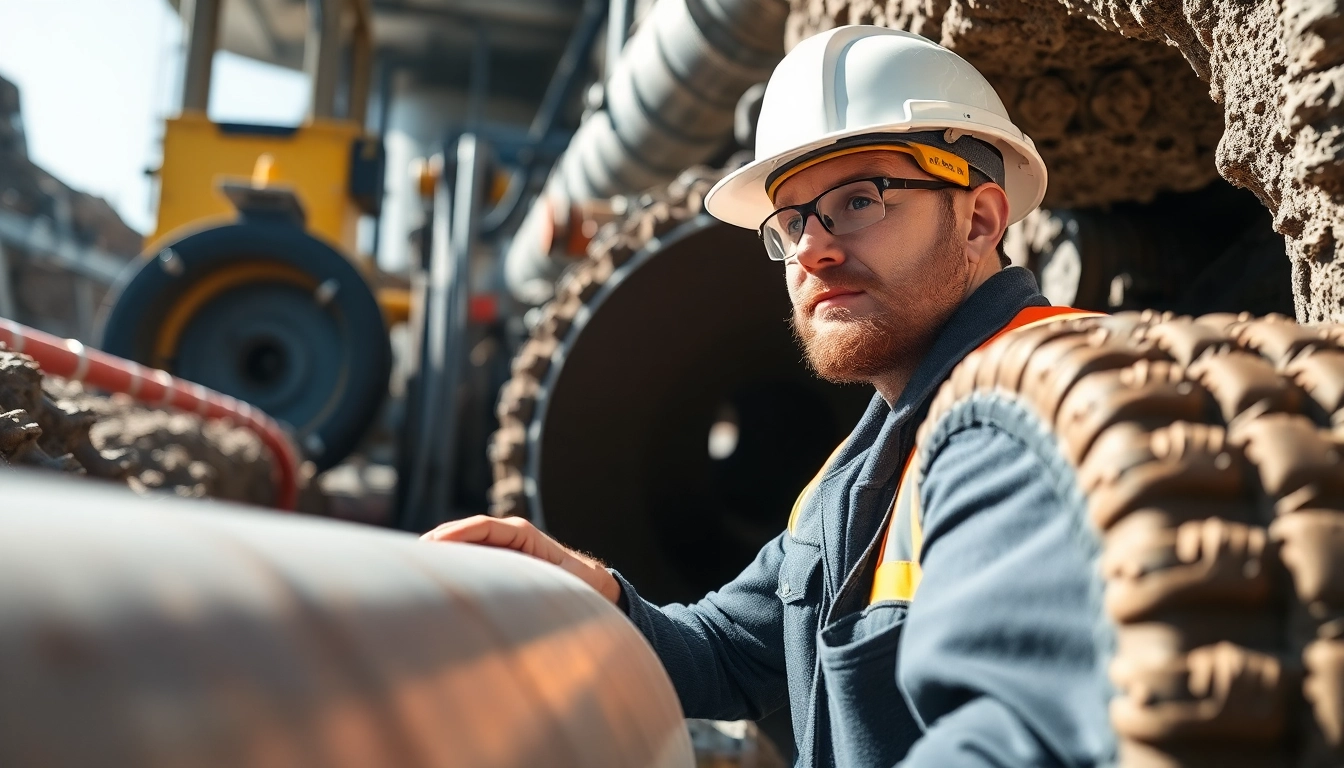
CIPP lining technology involves inserting a flexible liner saturated with resin into a damaged pipeline. This liner is then inflated and cured using hot water or steam, which causes the resin to harden and form a new pipe within the old one. This innovative process not only repairs cracks and gaps but also significantly extends the lifespan of the pipeline, making it resistant to common issues such as corrosion and root intrusion.
The technology has evolved over the years, giving rise to various liner types and curing methods, catering to a wide array of pipeline materials and diameters. CIPP's inherent trenchless nature allows for minimal disruption to surrounding environments, which is oftentimes a significant advantage in urban areas or regions with sensitive landscapes.
Benefits of Using CIPP Liners
The use of CIPP liners offers many benefits, making it a preferred choice for many pipeline rehabilitation projects:
- Reduced Downtime: Because CIPP is a trenchless method, it minimizes the need for road closures and allows for quick completion of repair projects.
- Cost-Effectiveness: CIPP rehabilitation is often more economical than traditional methods, as it requires less labor and materials.
- Longevity: Properly installed CIPP liners can last for several decades, significantly mitigating the need for future repairs.
- Environmental Benefits: The trenchless method reduces surface disruption and maintains the integrity of the ground above.
Common Applications of CIPP Lining
CIPP lining technology is versatile, finding applications across various sectors. Some of the most common uses include:
- Sewer Systems: A prevalent application is in the rehabilitation of municipal sewer lines, where structural integrity is crucial.
- Stormwater Infrastructure: CIPP can effectively rehabilitate storm drains, ensuring optimal functionality.
- Water Distribution Systems: Aging water lines can be rehabilitated to restore flow and prevent leaks.
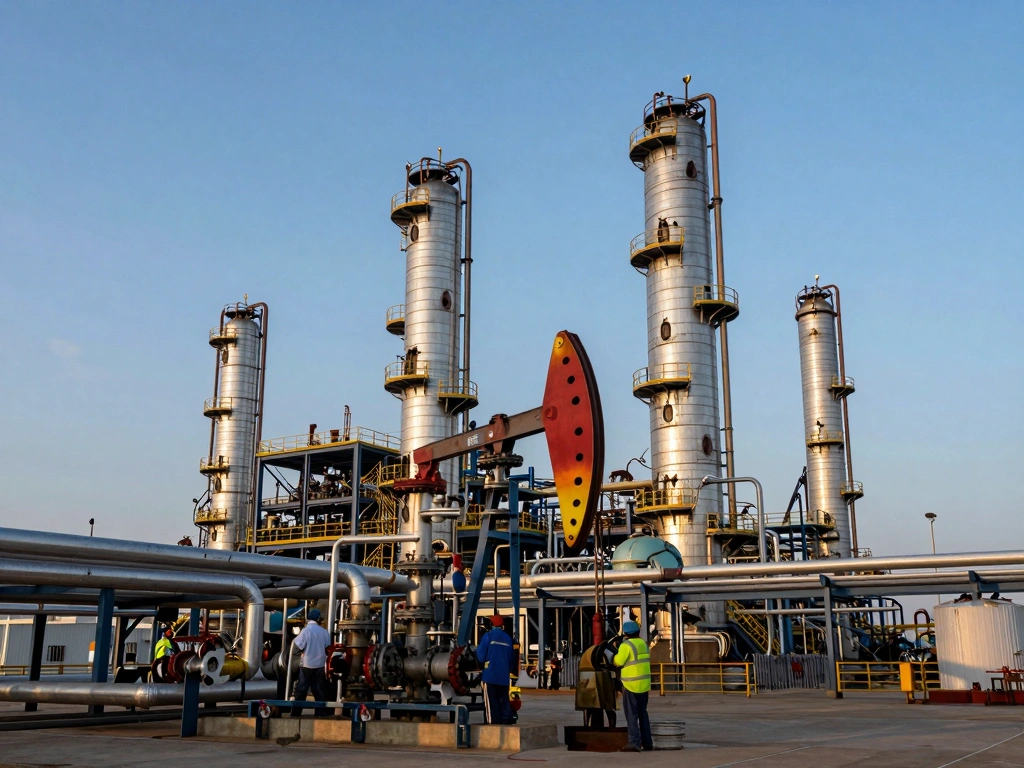
- Industrial Pipelines: Factories and processing plants utilize CIPP for their extensive pipeline networks, minimizing downtime during repairs.
Key Components of Pipeline Rehabilitation CIPP Liner
The Lining Material and Its Properties
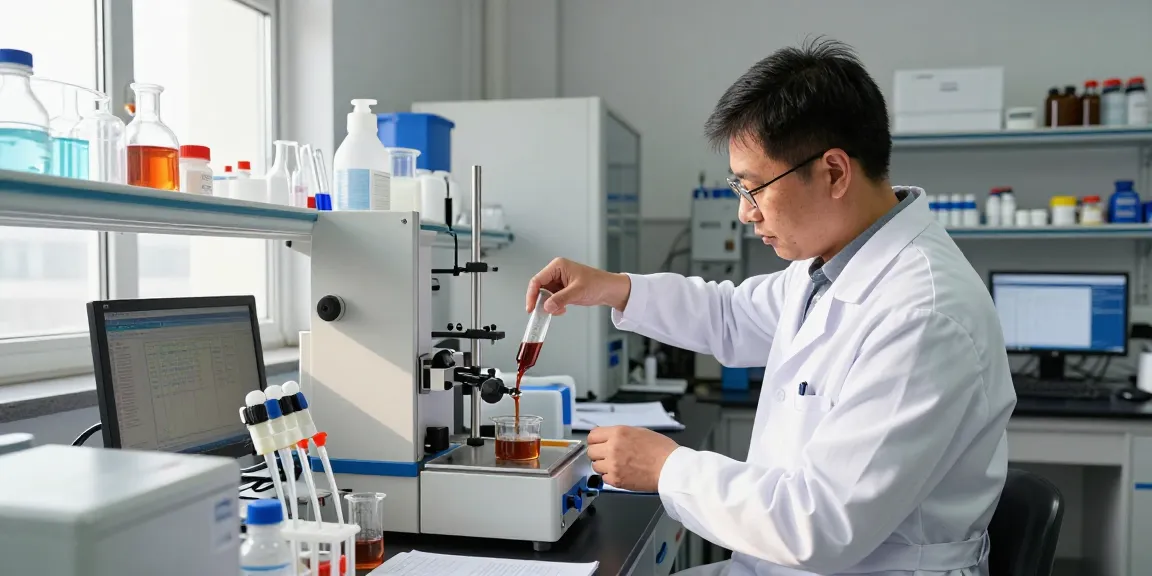
CIPP liners are typically made from a combination of felt or fiberglass materials saturated in a thermosetting resin. This composite material offers high tensile strength, chemical resistance, and flexibility, making it suitable for various applications. The choice of liner material may depend on various factors, including the environment of the pipeline, the diameter of the pipe, and the type of flow being conveyed.
Generally, the materials used have a high resistance to corrosion and can withstand various chemical processes within sewage systems and industrial applications. Understanding the specific properties of the chosen material—such as its ability to handle pressure and temperature—is essential for ensuring optimal performance.
Installation Methods and Equipment Needed
The installation of CIPP liners requires specialized equipment and techniques:
- Liner Installation: Installation involves inserting the liner into the existing pipeline using air or water pressure, often facilitated by a winch or other mechanical apparatus.
- Curing Equipment: Hot water or steam is typically used to cure the resin. Curing can also occur using ultraviolet (UV) light, depending on the method selected.
- Inspection Tools: Before and after installation, CCTV inspection is conducted to assess the current condition of the pipeline and to verify the successful installation of the liner.
Understanding the Curing Process
The curing process is a critical phase in CIPP installation. Once the liner is inflated and positioned correctly within the host pipe, the resin must undergo a curing process to harden and achieve its durable state. The common curing methods include:
- Steam Curing: In this method, steam is introduced into the liner, heating it to a specific temperature. This accelerates the curing process and ensures a solid bond between the resin and the host pipe's inner surface.
- Hot Water Curing: This involves circulating hot water through the liner to achieve a similar effect as steam curing, albeit at lower temperatures.
- UV Light Curing: A more recent technological advancement, UV light curing allows for the curing of the resin using ultraviolet light, providing great control over the process and reducing cure time.
Comparative Analysis: CIPP vs. Traditional Methods
CIPP Lining: A Trenchless Solution
The primary advantage of CIPP over traditional repair methods lies in its trenchless nature. Conventional methods often involve significant excavation, resulting in extensive surface disruptions. CIPP, in contrast, significantly reduces the need for digging by rehabilitating existing pipes from within. This not only saves time and money but also limits the ecological footprint of pipeline repair projects.
Cost-Effectiveness of CIPP Rehabilitation
When considering the overall costs associated with pipeline repairs, CIPP often emerges as the more cost-effective solution. Although the upfront installation cost may be higher compared to some conventional methods, the overall savings in labor, time, and ancillary costs (such as road repair and restoration) justify the expense. Furthermore, the durability of CIPP linings means that they can often prevent the costly repairs associated with pipe failure.
Environmental Considerations of Pipe Repair Methods
Environmental impact is a growing concern in construction and utility management. Traditional pipe repairs often lead to soil disturbance, increased sedimentation in waterways, and damage to local ecosystems. CIPP, being a trenchless technology, allows for a closed-system repair, preserving the surrounding environment and minimizing ecological disruption.
Challenges and Considerations in Pipeline Rehabilitation
Identifying Suitable Conditions for CIPP Lining
While CIPP offers many benefits, it is crucial to assess the suitability of the existing pipeline for CIPP lining. Factors such as the degree of deterioration, the presence of severe bends, and the access points available for installation are vital considerations. An expert evaluation can help determine whether CIPP is the optimal solution for a specific pipeline.
Common Issues Faced During Installation
Despite its many advantages, challenges may arise during the installation of CIPP liners:
- Blocked or Dirty Pipes: Pre-inspection and cleaning of pipes can mitigate issues arising from obstructions.
- Long-distance Curing: For long pipelines, ensuring uniform curing can be difficult and might require additional measures to maintain temperature.
Addressing Maintenance and Longevity Concerns
Regular maintenance remains essential to maximize the lifespan of CIPP liners. While the liners themselves can last decades, the overall health of a pipeline system involves careful monitoring. Periodic CCTV inspections can help identify potential issues before they escalate, allowing for timely interventions.
Future of Pipeline Rehabilitation and CIPP Technology
Innovations in CIPP Liner Materials
The future of CIPP technology appears promising, particularly with advancements in liner materials. Ongoing research aims to develop liners that can better withstand extreme conditions, resist chemical damage, and offer enhanced flexibility. Innovations like smart sensors integrated into liners for real-time monitoring are also on the horizon, promising to revolutionize pipeline management.
Market Trends in Pipe Rehabilitation Solutions
As utilities recognize the financial and operational advantages of trenchless technologies, the demand for CIPP lining solutions continues to grow. Moreover, the ongoing emphasis on infrastructure repair and maintenance within urban environments positions CIPP as a favorable and sustainable option for future pipeline management.
Enhancing Performance with New Technologies
Emerging technologies such as drone inspections, automated cleaning methods, and enhanced curing techniques will likely play a crucial role in optimizing CIPP installations. These advancements aim not only to improve the installation process but also to ensure the longevity and performance of the rehabilitated pipelines.
Frequently Asked Questions
What is the lifespan of CIPP liners?
CIPP liners are designed to last for over 50 years with proper installation and maintenance, making them a durable solution for pipeline rehabilitation.
How long does the installation of CIPP lining take?
The installation time varies based on the project's size and complexity; however, most projects can be completed within a few days, minimizing disruption.
Are CIPP liners environmentally friendly?
Yes, CIPP lining is a trenchless technology that preserves the surrounding environment, minimizing disruption and reducing ecological impact compared to excavation methods.
Can CIPP lining be used on all types of pipes?
CIPP lining is compatible with various pipe materials, including PVC, clay, and cast iron. However, the installation's feasibility depends on the pipe's condition.
What are the signs that a pipeline needs rehabilitation?
Common signs include frequent blockages, leaks, strange noises from pipes, and visible deterioration in surface infrastructure, indicating potential issues within the pipeline.