Introduction to Giant Foam Building Blocks
Giant foam building blocks are an exciting innovation in playtime, allowing children and adults alike to immerse themselves in creative construction. These oversized blocks, made from soft foam, provide endless opportunities for imaginative play while promoting the development of various skills. For those looking to explore options further, refer to more details on their benefits and features.
What Are Giant Foam Building Blocks?
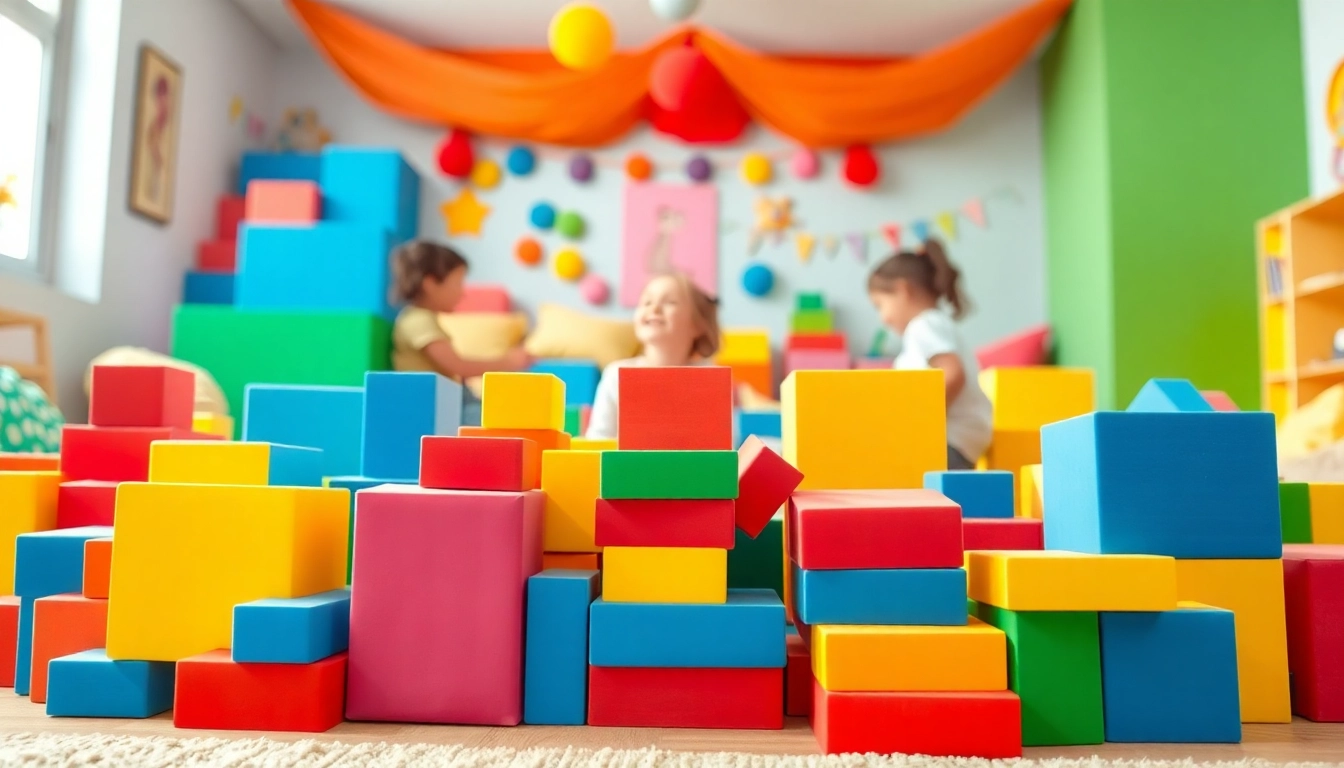
Giant foam building blocks are oversized, lightweight foam pieces that children can easily manipulate. They typically come in various shapes, sizes, and colors, allowing for diverse building possibilities. Unlike traditional wooden or plastic blocks, these foam versions are designed to be soft and safe, making them perfect for indoor environments. These blocks have become increasingly popular in schools, daycare centers, and homes, providing a playful yet educational experience.
The Benefits of Playing with Building Blocks
Engaging with giant foam building blocks offers numerous developmental benefits for children. These blocks foster creativity as kids envision and construct their designs, transforming abstract ideas into tangible structures. Furthermore, building with blocks encourages problem-solving skills; when faced with structural challenges, children learn to think critically and adapt their designs.
Additionally, foam blocks promote physical development. As children stack, balance, and maneuver the blocks, they enhance their fine and gross motor skills. Moreover, collaborative building fosters teamwork and communication, teaching kids how to share ideas and work towards a common goal. This social interaction is vital in developing emotional intelligence and interpersonal skills.
Choosing the Right Blocks for Your Space
Selecting the appropriate giant foam blocks depends on several factors, including space availability, age of the children, and the intended use. For smaller areas, consider blocks that are versatile in shape and color to maximize creativity without overwhelming the space. For larger setups, a more extensive variety can stimulate imaginative constructs and enhance social play.
Age is another critical consideration; softer, larger blocks may be suited for younger children, while those a bit older might engage better with a set that features varied sizes and shapes to challenge their building skills. Always ensure that the blocks are designed to adhere to safety standards to provide a secure environment for play.
Creative Play Ideas and Activities
Unlocking the full potential of giant foam building blocks means embracing a variety of play styles and activities. Here are some creative ideas and techniques for maximizing playtime quality.
Building Techniques for Kids
Encouraging children to experiment with different building techniques can enhance their structural understanding. Simple concepts such as balance, symmetry, and gravity can be explored as kids learn to stack blocks in various configurations. For instance, teaching children about weight distribution can lead them to better understand why certain structures stand strong while others collapse. Implementing guided tasks, like building a bridge or a tower, can make this learning experience both fun and educational.
Fun Games to Play with Building Blocks
Incorporating games into playtime can make block building even more engaging. Popular games include “Block Relay,” where teams transport blocks from one area to another as quickly as possible, or “Block Architect,” where kids must build a specific structure within a time limit. Another fun variation is “Blind Builder,” requiring one child to describe a block structure while another builds it without seeing the design. These games promote teamwork, communication, and creative thinking.
Enhancing Creativity Through Collaboration
Collaboration is key to enhancing creativity during play. Encouraging group projects allows children to share ideas and take on different roles, whether as the architect, builder, or designer. Group activities can range from creating a life-sized building to designing themed structures like castles or space stations. Such cooperative play can result in complex builds that students take ownership of, thereby increasing pride in their work and sparking even more creativity.
Safety Considerations for Indoor Play
While giant foam building blocks are designed for safety, ensuring a secure play environment is paramount. Here are some best practices to consider for indoor play.
Understanding Material Safety Standards
When buying foam blocks, it is essential to understand the material used and ensure it meets safety standards. Blocks should be free from harmful chemicals and have certifications like ASTM or EN71, which indicate compliance with safety norms. Check for non-toxic materials that are both child-friendly and environmentally safe.
Creating a Safe Play Environment
A safe play environment is crucial to prevent accidents. Ensure the play area is free from sharp objects and hazards. Consider placing soft mats or carpets to cushion falls and provide a comfortable surface for play. Clear guidelines on how to use blocks safely can also foster responsible use during playtime.
Supervision Tips for Young Children
For younger children, consistent supervision is key. Adults should engage in play, helping to guide activities, fostering inclusivity, and ensuring safe play practices. Setting boundaries on how high blocks can be stacked or how they are used can help prevent injuries while still promoting creativity. Encourage children to communicate their needs and share the space, fostering an atmosphere of cooperation.
Maintaining and Caring for Your Foam Blocks
To ensure your giant foam building blocks offer long-term value, regular maintenance is essential. Here are tips to keep your blocks in prime condition for countless hours of imaginative play.
Cleaning Techniques for Durable Use
Cleaning giant foam blocks is relatively simple, and using the right techniques will prolong their lifespan. Most foam blocks are easily wiped down with a damp cloth and mild soap. For more thorough cleaning, particularly with frequent use, soaking them in warm water and mild detergent can effectively remove dirt and germs. Always ensure they dry completely before storing them away to avoid mildew.
Storage Solutions for Organization
Proper storage is essential to keep the play area organized. Consider dedicated bins or shelves for easy access to the blocks while enabling simple cleanup after playtime. Labeling containers and categorizing blocks by size and color can create an inviting and systematically organized play space, enhancing the play experience.
Inspecting for Wear and Tear
Regularly inspect blocks for signs of wear and tear. Check for any breakdown in the foam material, such as cracks or unusual odor, which may signal that the blocks need replacing. Regular maintenance checks can ensure that play remains safe and enjoyable for children.
Frequently Asked Questions about Giant Foam Blocks
What age group is suitable for giant foam building blocks?
Giant foam blocks are typically suitable for children aged 2 and up, making them an excellent choice for toddlers and preschoolers.
Can giant foam blocks be used outdoors?
Yes, giant foam blocks are lightweight and can be used outdoors. However, they should be stored indoors to prevent deterioration from the elements.
How many pieces should I have for effective play?
For effective play, a set of 20 to 30 pieces is generally recommended. This number allows for various building opportunities while promoting collaborative play.
Are giant blocks safe for toddlers?
Yes, giant foam blocks are designed to be safe for toddlers, featuring soft materials that minimize injury risk during play.
What makes foam blocks a good choice for indoor play?
Foam blocks are lightweight, soft, and versatile, making them ideal for indoor play. They foster creativity and are less likely to cause injuries.