
Introduction
In today's fast-moving electronics industry, choosing the right PCB assembly manufacturer is one of the most important decisions for businesses, startups, engineers, and product developers. Printed Circuit Boards (PCBs) are the foundation of nearly every electronic device, from consumer gadgets and industrial equipment to medical devices and automotive systems. A reliable PCB assembly manufacturer ensures that every circuit board is manufactured with precision, tested thoroughly, and delivered on time.
Whether you are developing a new electronic product or scaling production for an established business, working with an experienced PCB assembly manufacturer provides higher quality, lower production costs, and improved product reliability. Modern PCB fabrication and assembly services combine advanced manufacturing technology with strict quality control processes to deliver boards that meet international standards.
This article explains the importance of PCB fabrication and assembly, the manufacturing process, the advantages of professional services, quality standards, and how to choose the right PCB assembly manufacturer for your business.
What Is a PCB Assembly Manufacturer?
A PCB assembly manufacturer is a specialized company that fabricates printed circuit boards and assembles electronic components onto them. These manufacturers offer complete solutions, including PCB design support, PCB fabrication, SMT assembly, through-hole assembly, testing, inspection, and final product delivery.
An experienced PCB assembly manufacturer uses advanced machinery and automated production systems to ensure consistent quality while maintaining cost-effective production. Whether you require prototypes, low-volume production, or mass manufacturing, a professional manufacturer can provide customized solutions.
Modern electronics rely heavily on a dependable PCB assembly manufacturer to maintain high-quality standards while meeting tight production schedules.
Understanding PCB Fabrication
PCB fabrication is the process of manufacturing the bare printed circuit board before electronic components are installed. It involves transforming design files into physical boards that serve as the foundation of electronic devices.
The fabrication process includes:
- Material selection
- Copper layer preparation
- Circuit pattern imaging
- Chemical etching
- Drilling
- Plating
- Solder mask application
- Silkscreen printing
- Surface finishing
- Electrical testing
Every professional PCB assembly manufacturer follows strict fabrication procedures to ensure accurate dimensions, reliable conductivity, and long-term durability.
High-quality PCB fabrication minimizes manufacturing defects and increases the performance of electronic products.
What Is PCB Assembly?
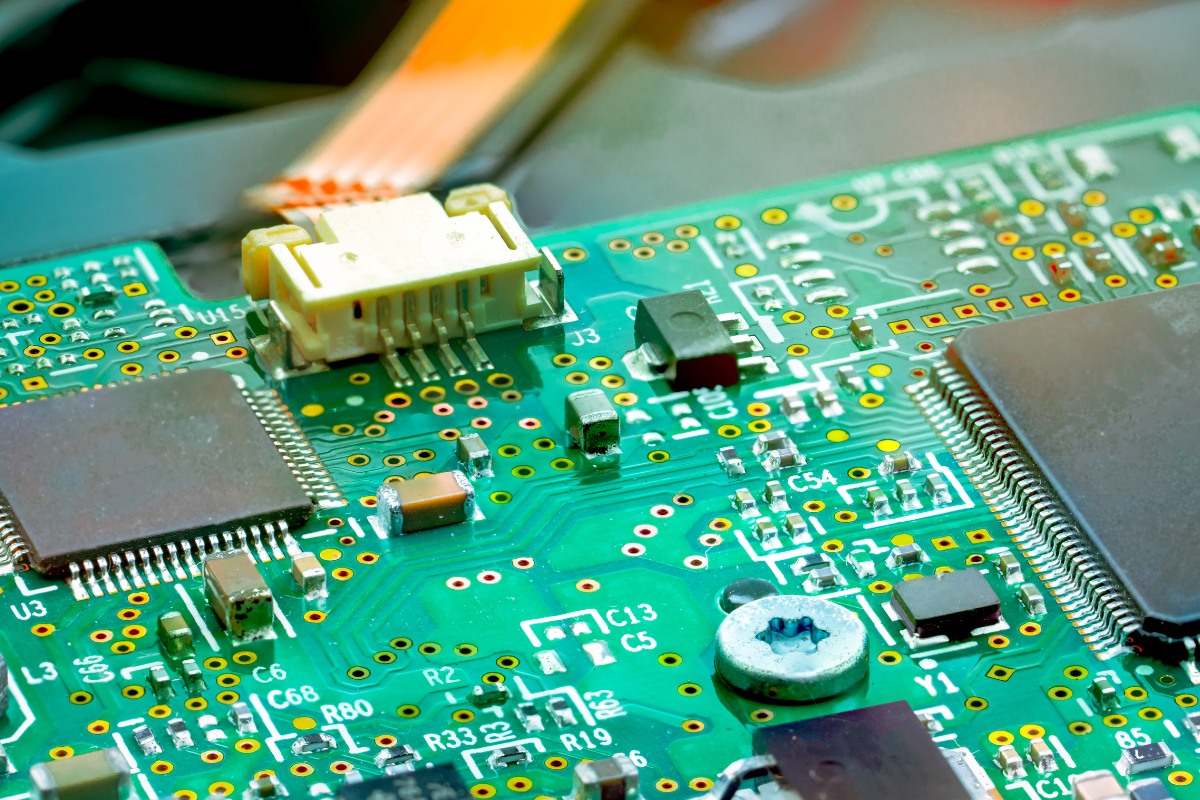
PCB assembly is the process of mounting electronic components onto the fabricated PCB. A professional PCB assembly manufacturer performs this process using automated equipment and experienced technicians.
PCB assembly generally includes:
- Solder paste application
- Component placement
- Reflow soldering
- Through-hole assembly
- Manual soldering
- Cleaning
- Inspection
- Functional testing
A trusted PCB assembly manufacturer ensures every component is accurately placed and securely soldered for maximum performance.
Types of PCB Assembly Services
A leading PCB assembly manufacturer provides multiple assembly services depending on project requirements.
Surface Mount Technology (SMT) Assembly
SMT assembly places electronic components directly onto the PCB surface using automated pick-and-place machines.
Advantages include:
- High production speed
- Greater component density
- Improved reliability
- Lower manufacturing costs
- Compact electronic designs
Most modern electronics are produced using SMT technology by a professional PCB assembly manufacturer.
Through-Hole Assembly
Through-hole assembly inserts component leads through drilled holes before soldering them securely.
Benefits include:
- Strong mechanical connections
- Excellent durability
- High reliability
- Suitable for industrial applications
Many industries still rely on through-hole technology, especially when working with a dependable PCB assembly manufacturer.
Mixed Technology Assembly
Many electronic products require both SMT and through-hole components.
A qualified PCB assembly manufacturer combines these technologies to achieve the best balance between performance and reliability.
Benefits of Choosing a Professional PCB Assembly Manufacturer
Working with an experienced PCB assembly manufacturer offers many advantages.
High Manufacturing Quality
Professional manufacturers maintain strict quality control systems throughout production.
Every board undergoes multiple inspections before shipment.
Advanced Equipment
Modern production facilities use automated machines that improve accuracy and reduce manufacturing errors.
An advanced PCB assembly manufacturer invests continuously in new technology.
Cost Savings
Outsourcing production reduces equipment investment, labor costs, and production expenses.
Businesses benefit from lower manufacturing costs without sacrificing quality.
Faster Delivery
Efficient production planning enables a reliable PCB assembly manufacturer to meet tight project deadlines.
Quick turnaround helps businesses launch products faster.
Technical Support
Professional manufacturers provide engineering support throughout the manufacturing process.
They help optimize PCB layouts, reduce production risks, and improve manufacturability.
PCB Fabrication Process
A reliable PCB assembly manufacturer follows a carefully controlled fabrication process.
PCB Design Verification
Engineers review Gerber files to ensure design accuracy before production begins.
Material Preparation
Manufacturers select high-quality laminate materials according to project specifications.
Copper Pattern Creation
Copper layers are etched to form electrical connections.
Drilling
Precision drilling machines create holes for vias and through-hole components.
Plating
Copper plating strengthens electrical connections.
Solder Mask Application
The solder mask protects copper traces from oxidation and short circuits.
Silkscreen Printing
Labels, component numbers, and identification markings are printed.
Surface Finish
Surface finishes improve solderability and protect exposed copper.
Common finishes include:
- HASL
- ENIG
- OSP
- Immersion Silver
- Immersion Tin
Electrical Testing
Each board is electrically tested before assembly.
Every professional PCB assembly manufacturer performs these inspections to ensure quality.
PCB Assembly Process
The assembly stage transforms a bare PCB into a functioning electronic circuit.
Solder Paste Printing
Solder paste is applied using precision stencils.
Component Placement
Automated machines accurately position electronic components.
Reflow Soldering
Controlled heating permanently solders components.
Manual Assembly
Technicians install specialized components when required.
Cleaning
Flux residues are removed to improve reliability.
Inspection
Each PCB assembly manufacturer performs visual and automated inspections.
Functional Testing
Completed boards are tested under operating conditions.
Quality Control in PCB Manufacturing
Quality is the foundation of every successful PCB assembly manufacturer.
Manufacturers use multiple inspection methods including:
- Automated Optical Inspection (AOI)
- X-Ray Inspection
- Flying Probe Testing
- In-Circuit Testing
- Functional Testing
- Visual Inspection
These inspections identify defects before products reach customers.
Industries That Depend on PCB Assembly Manufacturers
A professional PCB assembly manufacturer serves many industries.
Consumer Electronics
Smartphones, tablets, laptops, televisions, gaming devices, and wearable technology all require precision PCB manufacturing.
Medical Equipment
Medical devices require highly reliable PCB fabrication and assembly.
Automotive Industry
Modern vehicles use numerous electronic control systems built using advanced PCBs.
Industrial Automation
Industrial equipment relies on durable PCBs capable of operating in demanding environments.
Aerospace
Aircraft electronics require extremely high manufacturing standards.
Telecommunications
Communication equipment depends on reliable circuit board performance.
Renewable Energy
Solar inverters, battery management systems, and wind energy controllers require high-quality PCB solutions.
Advantages of One-Stop PCB Fabrication and Assembly
Choosing a single PCB assembly manufacturer for fabrication and assembly offers several advantages.
These include:
- Better quality control
- Faster production
- Simplified communication
- Lower logistics costs
- Reduced production delays
- Consistent manufacturing standards
Integrated manufacturing improves efficiency throughout the production process.
Factors to Consider When Selecting a PCB Assembly Manufacturer
Selecting the right PCB assembly manufacturer is essential for long-term success.
Important considerations include:
Manufacturing Experience
Choose a company with extensive industry experience.
Quality Certifications
Look for certifications such as:
- ISO 9001
- ISO 13485
- IATF 16949
- UL Certification
- RoHS Compliance
Production Capacity
Ensure the manufacturer can handle both prototypes and large production volumes.
Technology
Advanced manufacturing equipment improves product quality.
Engineering Support
A knowledgeable engineering team helps resolve design issues early.
Testing Capabilities
Comprehensive testing reduces production risks.
Customer Service
Reliable communication ensures smooth project management.
Importance of PCB Prototyping
Prototype production allows engineers to verify circuit functionality before full-scale manufacturing.
A skilled PCB assembly manufacturer can produce prototypes quickly, allowing design improvements while reducing development costs.
Benefits include:
- Faster product development
- Lower manufacturing risk
- Early defect detection
- Improved product performance
- Reduced production costs
Environmental Responsibility in PCB Manufacturing
Modern manufacturing increasingly focuses on environmental sustainability.
A responsible PCB assembly manufacturer adopts eco-friendly production practices including:
- RoHS-compliant materials
- Lead-free soldering
- Waste recycling
- Energy-efficient equipment
- Reduced chemical emissions
Sustainable manufacturing benefits both customers and the environment.
Why Quality PCB Fabrication Matters
Poor-quality circuit boards can lead to equipment failures, expensive repairs, and customer dissatisfaction.
Working with a trusted PCB assembly manufacturer ensures:
- Stable electrical performance
- Longer product lifespan
- Improved reliability
- Reduced maintenance costs
- Better customer satisfaction
High-quality PCB fabrication forms the foundation of dependable electronic products.
Future Trends in PCB Assembly Manufacturing
The electronics industry continues to evolve rapidly.
Modern PCB assembly manufacturer companies are investing in:
- Artificial intelligence for inspection
- Smart factory automation
- Robotics
- High-density interconnect (HDI) technology
- Flexible PCBs
- Rigid-flex PCBs
- Internet of Things (IoT) manufacturing
- Advanced quality monitoring systems
These innovations improve manufacturing efficiency while maintaining exceptional quality.
Why Businesses Choose Professional PCB Assembly Manufacturers
Companies around the world trust experienced PCB assembly manufacturer providers because they deliver precision, consistency, and dependable service.
Professional manufacturers offer:
- Competitive pricing
- Fast turnaround times
- Complete fabrication and assembly
- Strict quality assurance
- Advanced manufacturing technology
- Flexible production volumes
- Excellent customer support
- Reliable global shipping
Partnering with an experienced PCB assembly manufacturer helps businesses reduce production risks while delivering high-performance electronic products to the market.
Conclusion
Selecting the right PCB assembly manufacturer is essential for producing reliable, high-quality electronic products. From PCB fabrication and component sourcing to assembly, inspection, and testing, every stage of the manufacturing process contributes to the overall performance of the final product. A trusted PCB assembly manufacturer combines advanced equipment, skilled engineers, strict quality control, and efficient production processes to meet the demands of modern industries.
Whether you require prototype development, small-batch production, or high-volume manufacturing, partnering with an experienced PCB assembly manufacturer ensures superior quality, faster delivery, and long-term reliability. By choosing a company that offers complete PCB fabrication and assembly services, businesses can streamline production, reduce costs, and confidently bring innovative electronic products to market.