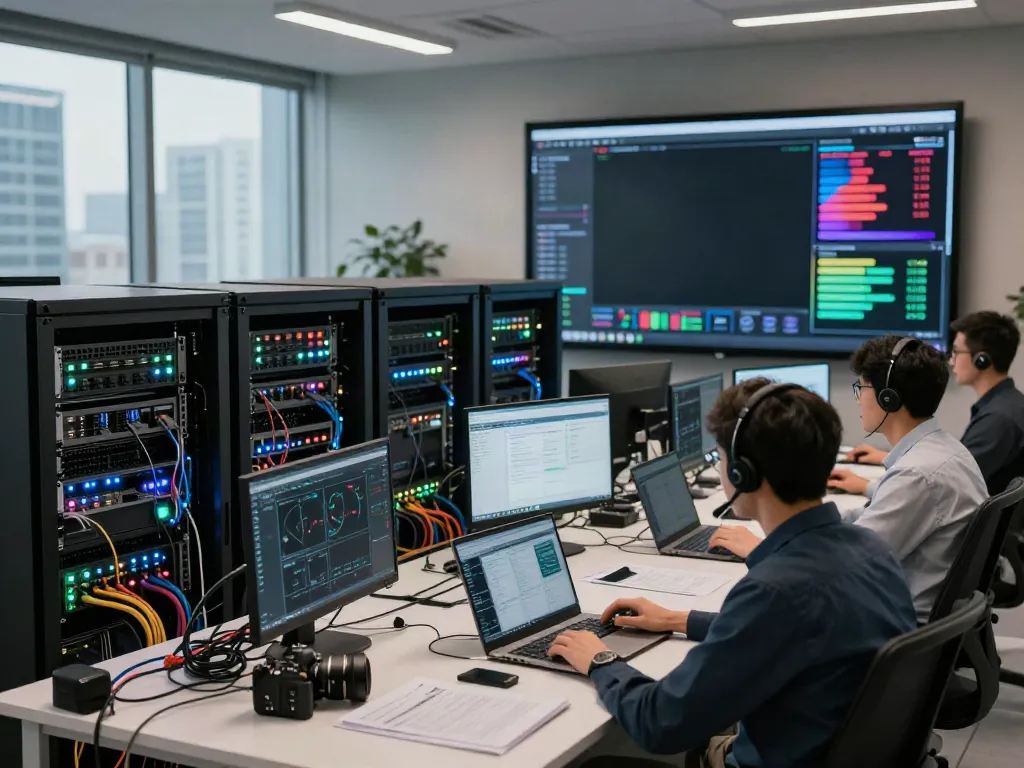
Understanding GPU Computing
In an era where data processing demands are surging, GPU computing has emerged as a vital technology that powers everything from artificial intelligence to advanced data analytics. Graphics Processing Units (GPUs) are designed to handle multiple operations concurrently, enabling faster processing speeds and enhanced performance compared to traditional CPU-based systems. When exploring options, GPU computing provides comprehensive insights into the infrastructure supporting AI and machine learning applications. This article delves deep into the intricacies of GPU computing, its benefits, implementation strategies, and real-world applications.
What is GPU Computing?
GPU computing refers to the use of Graphics Processing Units to perform computations traditionally handled by the CPU. While CPUs are optimized for sequential processing, GPUs excel at parallel processing, allowing them to manage and execute thousands of threads simultaneously. This robust computational capability makes GPUs ideal for tasks that require the processing of large datasets, such as training machine learning models and performing complex simulations.
How GPU Computing Differentiates from CPU
One of the fundamental differences between GPU and CPU computing lies in their architectures. CPUs have a few cores optimized for sequential task execution, making them highly effective for general-purpose computing. In contrast, GPUs contain hundreds or thousands of smaller cores designed for handling multiple tasks simultaneously. This parallel architecture enables GPUs to perform specific types of calculations—especially those involving large-scale data processing—much more efficiently than CPUs.
The Evolution of GPU Technology
Originally designed for rendering graphics in video games, GPU technology has evolved remarkably over the past few decades. The introduction of General-Purpose computing on Graphics Processing Units (GPGPU) marked a significant turning point, allowing developers to harness GPU power for non-graphical computations. As industries increasingly recognize the potential of GPUs, their applications have expanded to include fields such as scientific research, real-time data processing, and artificial intelligence.
Benefits of GPU Computing for Businesses
Incorporating GPU computing into business operations offers numerous advantages that can lead to increased efficiency, cost savings, and enhanced data processing capabilities.
Increased Efficiency and Performance
GPU computing delivers marked improvements in performance for computationally-intensive tasks. Businesses that leverage GPUs for machine learning and data analytics often experience significant reductions in processing time. This efficiency translates into faster decision-making and the ability to derive insights from data more rapidly, giving companies a competitive edge in their respective markets.
Cost-Effectiveness in Data Processing
While the initial investment in GPU infrastructure can be substantial, the long-term cost savings are considerable. GPUs' ability to perform computations more efficiently means that businesses can minimize operational costs related to energy consumption and hardware maintenance. Furthermore, the parallel processing nature of GPUs leads to better resource utilization, reducing the need for extensive server farms to handle heavy computational loads.
Enhanced Data Handling Capabilities
As businesses deal with ever-increasing volumes of data, the enhanced data handling capabilities offered by GPUs are invaluable. Their architecture is well-suited for managing big data applications and executing complex algorithms, such as those used in AI and machine learning. This ability to handle large datasets effectively allows companies to implement advanced analytical techniques, leading to more informed business strategies.
Implementing GPU Computing Solutions
To fully take advantage of GPU computing, businesses must implement effective solutions tailored to their specific needs and existing infrastructure.
Choosing the Right Hardware for Your Needs
Selecting the appropriate GPU hardware is critical to optimizing performance. Businesses should assess their computational requirements, the types of algorithms they intend to run, and their budget when choosing GPUs. High-performance models may be needed for intensive workloads, while mid-range options might suffice for less demanding applications.
Best Practices for Setup and Configuration
Once the hardware is selected, businesses should follow best practices for setup and configuration. Proper cooling, power supply, and connectivity are essential for maintaining GPU performance. Additionally, organizations should ensure that their software environments are optimized for GPU computing, including using compatible libraries and frameworks that facilitate efficient processing.
Integrating GPU into Existing Infrastructure
Integrating GPU computing into an organization's existing infrastructure can be challenging. It is important to ensure compatibility with current systems and workflows. Organizations should consider adopting hybrid models that utilize both CPU and GPU resources, allowing for a smooth transition and minimizing disruption to ongoing operations.
Real-World Applications of GPU Computing
GPU computing is transforming various industries, unlocking new possibilities and efficiency gains across numerous applications.
Case Studies: Successful GPU Implementations
Several companies have successfully implemented GPU computing to enhance their operations. For instance, a leading financial institution employs GPU technology for real-time risk assessment, processing vast amounts of transaction data to identify potential fraud during transactions. This capability has significantly reduced response times, enhancing security.
Industries Benefiting from GPU Technology
Various industries benefit from GPU technology, including:
- Healthcare: GPUs are used for medical imaging analysis and drug discovery, leading to faster diagnoses and innovative treatments.
- Automotive: In the autonomous vehicle sector, GPUs process data from sensors and cameras to make rapid driving decisions.
- Entertainment: The gaming industry relies heavily on GPUs for rendering high-quality graphics and immersive experiences.
Future Trends in GPU Applications
The future of GPU computing promises exciting developments, with trends such as the rise of heterogeneous computing, artificial intelligence-driven applications, and improved integration with cloud services. These advancements will likely further enhance processing capabilities and broaden the scope of GPU applications across industries.
Frequently Asked Questions about GPU Computing
To help businesses understand the potential of GPU computing, here are some frequently asked questions:
What are the primary advantages of GPU computing?
The primary advantages include enhanced computational speed, cost-effectiveness in data processing, and improved efficiency in handling large datasets.
How does GPU computing impact processing speed?
GPU computing significantly increases processing speed by executing parallel tasks, allowing for rapid completion of complex calculations, which are typically slower on CPUs.
Can any business benefit from GPU technology?
Yes, businesses across various sectors can benefit, particularly those dealing with large datasets or complex computations, such as finance, healthcare, and research.
What is the future of GPU computing in industries?
The future of GPU computing is bright, with trends pointing towards greater integration with AI applications, cloud computing solutions, and advancements in processing capabilities.
How do I choose the right GPU for my applications?
Choosing the right GPU involves assessing your computational needs, understanding the types of applications you will run, and considering your budget for hardware and software resources.