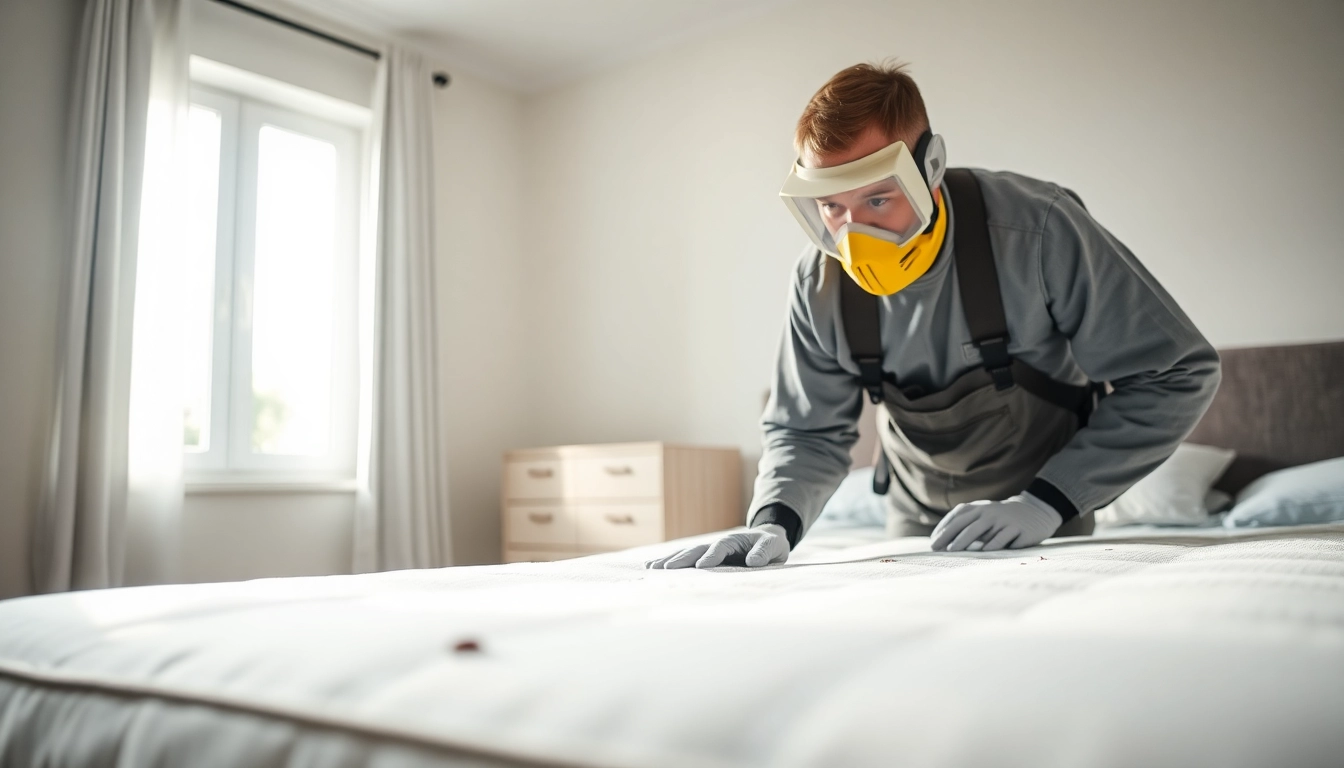
Understanding Bed Bugs
What Are Bed Bugs?
Bed bugs are small, wingless insects that feed on the blood of humans and animals. Ranging from approximately 1mm to 7mm in length, they are reddish-brown, flat, and oval-shaped, making them difficult to detect unless a significant infestation has occurred. Their secretive nature and nocturnal behavior make them particularly challenging to manage.
Signs of Infestation
Identifying signs of a bed bug infestation early is critical to successful management. Look for:
- Small red or itchy bites on the skin, commonly arranged in clusters.
- Dark spots on sheets, which are bed bug excrement.
- Eggs, which are tiny and white, often found in crevices.
- A musty odor, often described as sweet or pungent.
Life Cycle and Behavior
Bed bugs undergo a life cycle that includes five nymph stages before reaching adulthood. They can survive for months without feeding, allowing them to endure extended periods without a host. Understanding their life cycle is vital, as each phase requires unique approaches for effective bed bug treatment.
Preparing for Bed Bug Treatment
Initial Inspection
The first step in addressing a bed bug problem is a thorough inspection. Look in common hiding places, such as seams of mattresses, cracks in furniture, and behind baseboards. Consider using a flashlight to examine darker areas. If signs of bed bugs are found, document their locations to inform treatment strategies.
Clearing the Area
For effective treatment, it's necessary to prepare your living space. Remove clutter that can conceal bed bugs, and focus on the areas immediately surrounding the infested items. Ensure that all bedding, linens, and clothing are washed in hot water and dried at high temperatures to kill any potential bed bugs.
Necessary Preparations
Preparation also includes sealing off infested items in plastic bags to prevent the spread of eggs and nymphs. Prepare all personal belongings by removing items from under beds and nightstands to create a clear workspace for effective treatments.
Types of Bed Bug Treatment
Physical and Chemical Treatments
Bed bug treatment often involves a combination of physical and chemical methods. Physical methods include vacuuming and using steam, both of which help eliminate bed bugs at various life stages. Chemical treatments may involve the application of insecticides designed to target bed bugs. It's crucial to follow labels closely for safety and efficiency.
Heat Treatment Advantages
Heat treatment has gained popularity due to its effectiveness. This method involves raising the temperature of an infested area to a level lethal to bed bugs. The advantages include fewer chemicals used and immediate results, as heat penetrates into walls and bed frames where bed bugs may hide.
DIY Solutions to Consider
For minor infestations, DIY solutions such as diatomaceous earth or essential oils may offer some degree of relief. These methods often require persistence and should ideally be combined with professional strategies for maximum effectiveness. Research and ensure proper application methods to avoid any inefficiencies.
Post-Treatment Care
Monitoring for Residual Activity
After treatment, it's vital to monitor the area closely for any signs of remaining bed bugs. This may involve regular inspections and observing for bites or signs on bedding. Consider using interceptors under bed legs to catch any wandering bed bugs.
Preventative Measures
Preventing future infestations requires ongoing vigilance. Regularly inspect sleeping areas for unusual signs, reduce clutter in living spaces, and maintain clean bedding. When traveling, inspect hotels and use bed bug-proof mattress covers.
When to Seek Professional Help
If your efforts do not yield results, or if the infestation is severe, it may be time to enlist professional pest control services. Professionals have access to advanced treatment methods and technology that can provide thorough eradication of bed bugs.
Frequently Asked Questions (FAQs)
How do you get rid of bed bugs quickly?
To eliminate bed bugs quickly, vacuum thoroughly and wash all bedding in hot water. Heat treatment can also be effective for swift results.
What are common signs of a bed bug infestation?
Common signs include small red bites on the skin, dark spots on sheets, and a musty odor in the sleeping area.
How long does bed bug treatment take to be effective?
Bed bug treatment effectiveness can vary, often taking from a few days to several weeks depending on the extent of the infestation.
Can I treat bed bugs myself?
Yes, DIY solutions like heat or steam can help, but severe infestations often require professional intervention for complete eradication.
How can I prevent bed bugs in the future?
To prevent bed bugs, regularly inspect bedding, reduce clutter, and wash linens frequently. Always check hotel rooms and second-hand furniture.