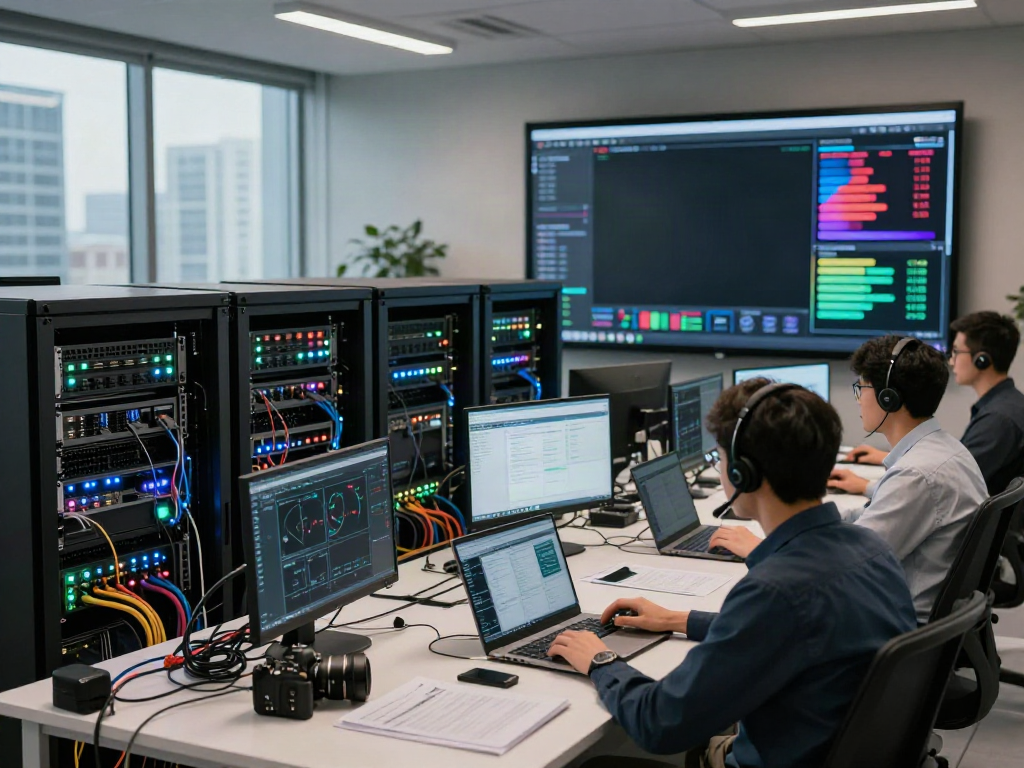
Understanding IT Support for Small Business London
What is IT Support?
IT support encompasses a range of services aimed at maintaining and enhancing a company's technology infrastructure. This includes ensuring that software and hardware are functioning optimally, troubleshooting problems, and providing necessary training to staff. In the context of small businesses, effective IT support is essential for smooth operations and business continuity. It helps manage technological complexities and allows entrepreneurs to focus on their core responsibilities without getting bogged down by IT issues.
Importance of IT Support for Small Businesses
For small businesses in London, having reliable IT support is vital to staying competitive in today’s technology-driven market. The right it support for small business london can enhance productivity, reduce downtime, and protect sensitive information from cyber threats. With the rapid evolution of technology, ensuring appropriate support becomes even more crucial to navigating the digital landscape effectively.
Types of IT Support Services Available
IT support services can be categorized into several types, each designed to meet specific business needs:
- Help Desk Support: Provides assistance with technical issues, often via phone or chat.
- Remote IT Support: Technicians can troubleshoot and resolve issues without being physically present.
- On-Site Support: Involves technicians visiting your location to solve more complex issues.
- Network Security: Focuses on protecting your business from cyber threats through various measures including firewalls and antivirus software.
- Data Backup and Recovery: Ensures that your data is backed up regularly and can be restored in emergencies.
- Managed IT Services: Involves comprehensive ongoing management and support for your IT infrastructure.
Common IT Challenges Faced by Small Businesses
Cybersecurity Threats
Small businesses are increasingly becoming targets for cybercriminals. The financial resources and expertise to manage cybersecurity may often be limited, exposing them to risks such as data breaches, phishing attacks, and ransomware. Regular security assessments and a strategic approach towards cybersecurity are necessary to mitigate these threats.
Data Management Issues
As small businesses grow, so does their data. Managing this data—whether it's customer information, financial records, or operational data—becomes a significant challenge. Small businesses must implement robust data management strategies, including cloud storage solutions and effective data governance policies, to ensure data is accessible yet secure.
Technical Support and Troubleshooting
Technical problems can occur anytime, and small businesses often lack the necessary on-site experts to handle issues quickly. Relying on external IT support can help resolve these issues efficiently, but businesses must find a provider that offers timely support.
Choosing the Right IT Support for Small Business London
Key Factors to Consider
When selecting IT support for your small business, consider these key factors:
- Experience and Expertise: Look for providers with proven experience in your industry and a deep understanding of small business needs.
- Range of Services: Ensure the provider offers services that align with your specific needs.
- Response Times: Quick response times can help minimize downtime; inquire about their average response times.
- Customer Support: Evaluate the level of support available, such as 24/7 availability.
Comparing IT Support Providers
Don't just settle on the first IT support provider you come across. Instead, gather a list of options and compare them based on the key factors mentioned earlier. Request quotes, ask for references, and read customer reviews to deal with potential providers. Focus on what other businesses say about their experiences; this will give you insight into the quality of service you can expect.
Understanding Service Level Agreements (SLAs)
An SLA is a contract that outlines the expected level of service between a client and IT support provider. It should clearly define response times, issue resolution times, and the support provided. Understanding SLAs is critical in ensuring that the IT support provider meets your expectations and delivers the required services.
Best Practices for IT Support Implementation
Streamlining Communication with IT Providers
Effective communication with your IT support provider can prevent misunderstandings that might cause delays or issues. Establish regular check-ins or updates to discuss ongoing issues and new needs, creating a collaborative relationship that's beneficial for both sides.
Regular Maintenance and Updates
Regular maintenance is imperative for system security and performance. Schedule routine checks, updates, and patches to minimize vulnerabilities. Following a preventive maintenance strategy can help detect and resolve potential issues before they become significant problems.
Employee Training and Security Awareness
Your employees are the first line of defense against cyber threats. Investing in regular security training can help them recognize phishing attacks, social engineering tactics, and other common scams, fostering a culture of security within your organization.
Measuring the Effectiveness of IT Support
Performance Metrics to Track
Consider tracking the following performance metrics to evaluate the effectiveness of your IT support:
- Response Time: The time it takes for your IT support team to respond to a request.
- Resolution Time: How long it takes to fully resolve an issue.
- Customer Satisfaction: Regular surveys can gauge how satisfied your team is with IT support.
- Downtime Reduction: Monitor any reduction in operational downtime since implementing IT support.
Improving IT Response Times
To enhance response times, establish a ticketing system that prioritizes IT issues by their urgency and impact on the business. This system allows IT personnel to address high-priority issues first, optimizing their workflow and minimizing disruptions for end-users.
Gathering User Feedback
Consistently gather feedback from your staff regarding their experiences with IT support services. This can uncover areas needing improvement and help tailor the support provided to better meet your business’s needs. Regularly reviewing feedback can lead to significant improvements in service quality.
FAQs
What types of IT support are most essential for small businesses?Essential IT support services include technical support, cybersecurity, data backup, and network management tailored to small business needs.
How can IT support improve business productivity?Effective IT support minimizes downtime, enhances system efficiency, and allows employees to focus on core tasks, resulting in better productivity.
What should I consider when choosing an IT support provider?Consider provider experience, service offerings, response times, and client reviews to ensure you select the right IT support for small business.
How frequently should IT systems be maintained?Regular maintenance should occur quarterly, with critical updates applied immediately to mitigate potential security risks and performance issues.
What are SLAs, and why are they important?Service Level Agreements outline expected response times and service delivery benchmarks, ensuring clear expectations between a business and its IT support provider.
Contact Information
Call Us: 0333 015 2615Email: [email protected]Address: Fareham Innovation Centre, PO13 9FU