Understanding Bed Bugs: Identification and Behavior
What are Bed Bugs?
Bed bugs, scientifically known as Cimex lectularius, are small, wingless insects that feed on the blood of humans and animals. These nocturnal pests are typically reddish-brown, oval-shaped, and can grow up to a quarter of an inch in length. Bed bugs are notorious for their ability to reproduce rapidly, leading to significant infestations if left untreated.
Signs of Infestation
Identifying a bed bug infestation can be challenging. Some common signs include:
- Visible Bugs: Spotting adults, nymphs, or eggs in seams of mattresses, furniture, or cracks in the walls.
- Bed Bug Bites: Small, red, itchy welts appearing on the skin, often in a line or cluster.
- Fecal Stains: Small dark spots on bedding or furniture, which are the excrement of bed bugs.
- Egg Shells: Tiny, translucent shells left behind from hatched eggs.
Understanding Their Habits
Bed bugs are resilient creatures that can survive for months without feeding. They are attracted to warmth and carbon dioxide, which helps them locate hosts. Their preferred hiding spots include mattresses, headboards, bed frames, and wall cracks. Understanding these habits is crucial for effective bed bug removal.
Essential Preparation for Bed Bug Removal
Preparing Your Space for Treatment
The preparation phase is crucial for successful bed bug removal. Begin by decluttering your living space, as this allows easier access for treatment. Remove items from the floors, beds, and furniture to minimize hiding spots. Make sure to wash and dry bedding, curtains, and clothes on high heat to eliminate any hidden bugs or eggs.
Gathering Necessary Tools
Before beginning the treatment, gather the necessary tools and supplies. Items include:
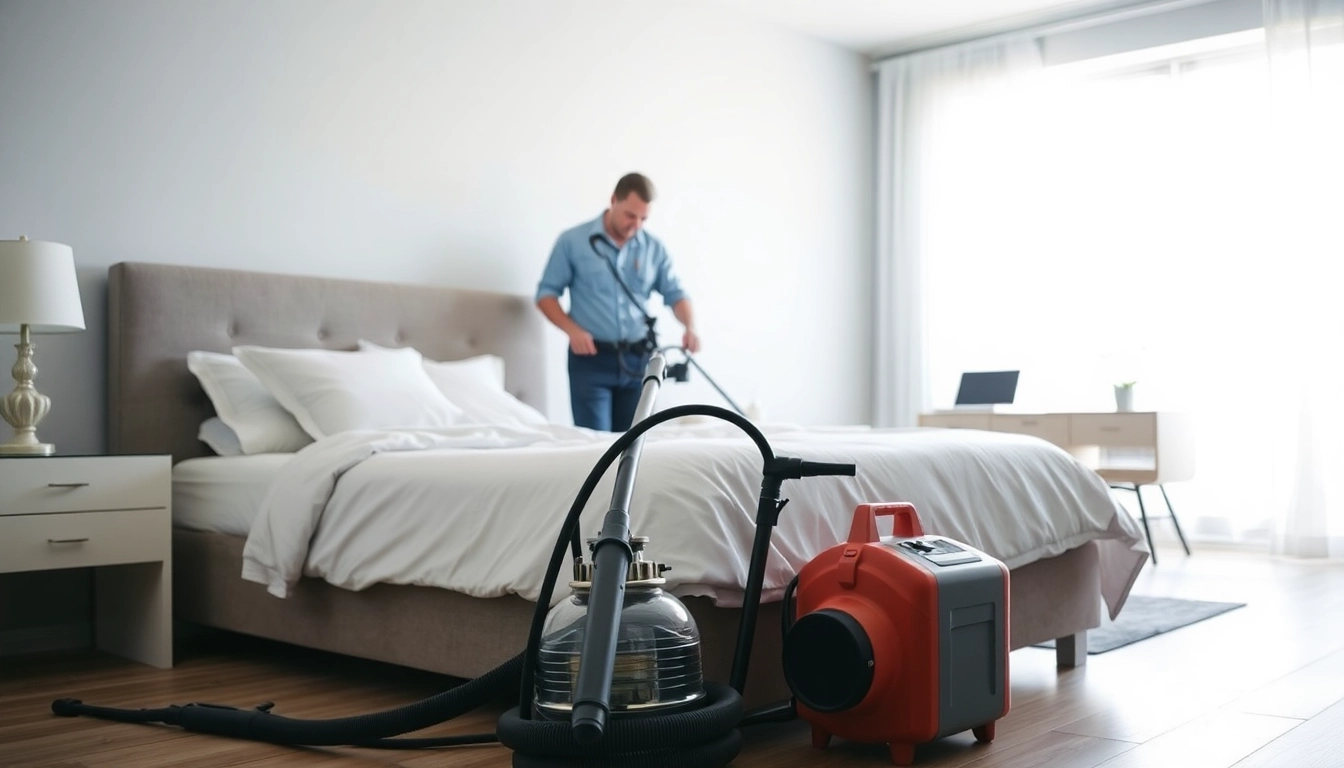
- Vacuum cleaner with a hose attachment
- Garbage bags for disposal
- Sealable storage containers to store infested items
- Steam cleaner for high-heat treatment
- Pesticides and insecticides, if necessary
Creating a Safety Plan
Developing a safety plan is essential to protect yourself, family, and pets during the treatment process. Ensure all family members are aware of where to stay during the treatment and discuss any necessary precautions when using chemicals. Consider hiring professionals if your infestation is severe, as they have the training and equipment to tackle persistent pests effectively.
Effective Methods for Bed Bug Removal
DIY Removal Techniques
For mild infestations, DIY techniques may be effective, including:
- Vacuuming: Regularly vacuum affected areas, ensuring to seal and dispose of the vacuum bag outside.
- Steam Treatment: Utilize steam cleaners on infested surfaces, as high temperatures can kill bed bugs on contact.
- Dry Cleaning: Place infested clothing in a dryer on high heat for at least 30 minutes. This procedure will help kill any remaining bed bugs.
Professional Pest Control Options
When DIY methods fail or the infestation grows, consider professional pest control services. These experts employ various methods, including:
- Heat Treatment: Raising the temperature in a room to a level that is lethal to bed bugs, typically around 120°F.
- Pesticides: Application of EPA-registered pesticides specifically designed for bed bug eradication.
- Monitoring Devices: Professional pest control often includes the installation of traps and monitors to ensure the infestation doesn’t return.
Using Natural Solutions
For environmentally-conscious individuals, natural methods may also be utilized, such as:
- Diatomaceous Earth: This fine powder can be sprinkled in suspected infested areas to dehydrate and kill bed bugs.
- Essential Oils: Certain natural oils like tea tree or lavender oil have insect-repelling properties, although their effectiveness can vary.
Post-Treatment Steps: Ensuring Long-Term Success
Monitoring for Re-infestation
After treatment, it is essential to monitor for signs of re-infestation. Use bed bug monitors or traps, and conduct regular inspections around mattresses, furniture, and baseboards. This vigilance is critical to catching any potential new infestations early.
Preventive Measures
To prevent future problems, consider implementing preventive measures such as:
- Sealing cracks and crevices in walls and furniture to reduce hiding spots.
- Avoid bringing used furniture into your home without thorough inspections.
- Regularly washing bedding and curtains, and maintaining cleanliness to deter pests.
Recognizing New Infestations Early
Early recognition can save you time and money. Familiarize yourself with the signs of bed bug activity, regularly check your sleeping areas, and maintain a proactive attitude to controlling these pests. Prompt action upon observing symptoms is vital for successful eradication.
FAQs About Bed Bug Removal
How do I know if I have bed bugs?
Besides visible bugs, look for bites on your skin, blood stains on sheets, fecal spots, and shed skins in bed frames and furniture seams.
Can I treat bed bugs myself?
Yes, minor infestations can be handled with DIY methods, but for severe or widespread cases, professional help is advisable for effective removal.
How long does the bed bug removal process take?
The duration varies based on infestation severity and treatment method. A thorough professional treatment can take a few hours, but follow-up visits may be necessary.
What should I do after treatment?
After treatment, monitor your space regularly for re-infestation, clean bedding and clothing, and ensure that all cracks and crevices are sealed.
Are bed bug bites harmful?
Bed bug bites are generally not harmful but can cause itching and allergic reactions in some people. They are not known to transmit diseases.
Understanding the nature of bed bugs and employing effective bed bug removal techniques can significantly reduce the risk of infestation in your home. Stay vigilant, and prioritize cleanliness to maintain a pest-free environment.