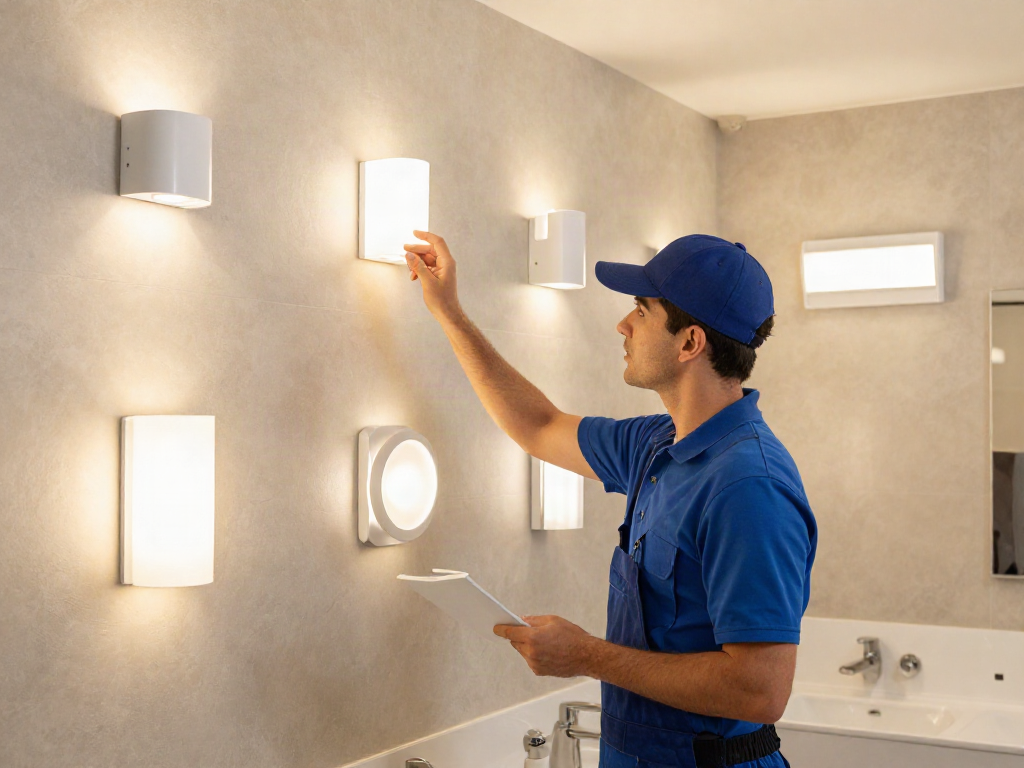
Understanding the Role of a Manhattan Commercial General Contractor
A Manhattan Commercial General Contractor plays a pivotal role in the commercial construction landscape in Manhattan. These professionals are responsible for managing all aspects of construction projects, ensuring they are completed on time, within budget, and to the desired quality standards. Understanding what differentiates commercial contractors from others, their core responsibilities, and the necessary licensing in Manhattan is essential for anyone looking to undertake a commercial construction project.
What Makes a Contractor Commercial?
Commercial contractors specialize in constructing, renovating, or maintaining commercial properties. This includes office buildings, shopping centers, hotels, and industrial buildings. Unlike residential contractors, who focus on private homes, commercial contractors engage in projects requiring different skill sets and business acumen, including understanding commercial codes, adherence to safety regulations, and the ability to manage large teams and extensive budgets.
Core Responsibilities of a General Contractor
A commercial general contractor has several critical responsibilities, including:
- Project management: Overseeing the entire project from inception to completion, managing timelines, budgets, and resources.
- Coordination: Collaborating with architects, engineers, and subcontractors to ensure the project runs smoothly.
- Quality control: Ensuring that all construction work meets or exceeds industry standards and client expectations.
- Problem resolution: Addressing and resolving any issues or challenges that arise during the construction process.
- Compliance: Ensuring all work adheres to local building codes, safety regulations, and environmental laws.
Licensing and Certifications in Manhattan
In Manhattan, commercial general contractors must obtain several licenses and certifications to operate legally. This typically includes general contractor licenses, which can vary by county or city, and specific permits for particular types of work. Additionally, many contractors pursue certifications from professional organizations to demonstrate their expertise, such as those related to safety, building code compliance, or project management.
How to Select the Right Manhattan Commercial General Contractor
Selecting the right general contractor for your commercial project is critical to its success. Evaluating potential contractors involves several key considerations, from experience to communication skills.
Assessing Experience and Expertise Levels
When choosing a contractor, examine their experience in the specific type of commercial construction you require. Ask about their previous projects, particularly those similar in scope and complexity. A contractor with a deep understanding of commercial projects will likely navigate challenges more effectively, ensuring your project stays on track.
Evaluating Previous Projects and Client Testimonials
Client testimonials and references provide invaluable insights into a contractor's reliability and quality of work. Request references from past clients and ask for examples of completed projects. A reputable contractor should have a portfolio showcasing their work, along with positive feedback from satisfied clients, demonstrating their capacity to manage and deliver successful contracts.
Importance of Effective Communication Skills
Clear communication between you and your contractor is essential for a successful project. During initial consultations, assess how effectively a contractor communicates their ideas and processes. Contractors who listen well, explain complex concepts, and provide regular updates tend to create a more transparent and collaborative working relationship.
Key Services Offered by Manhattan Commercial General Contractors
Manhattan commercial general contractors offer a wide range of services tailored to meet the unique needs of commercial projects.
Project Management and Coordination
Effective project management is at the core of what commercial general contractors do. They are responsible for creating project timelines, coordinating the workflow among different contractors, and ensuring that everyone adheres to the specified schedules. Their ability to manage diverse teams can significantly impact the overall progress of the construction project.
Renovation vs. New Construction Services
Commercial contractors often handle both renovation projects and new construction. Renovations may involve upgrading existing facilities to enhance functionality or aesthetics, while new construction entails building structures from the ground up. Each type of project requires a distinct approach, budget management, and compliance with various regulations.
Safety Protocols and Compliance Standards
Safety is paramount in commercial construction. Contractors must implement stringent safety protocols to protect workers and ensure compliance with OSHA regulations. Regular training sessions and safety audits are essential to maintain a safe working environment and minimize liability issues.
Budgeting for Your Construction Project with a Contractor
Budgeting is a critical component of every construction project. A clear understanding of costs and financial expectations can help prevent misunderstandings later on.
Estimating Costs and Managing Expenses
Accurate cost estimation is essential in the budgeting process. Contractors should provide detailed estimates that outline all anticipated costs, including materials, labor, permits, and contingency allowances. Understand how these estimates are created and what factors can influence project costs over time.
Understanding Contract Terms Effectively
Carefully reviewing the contract is vital. Contractors and clients must clearly understand the agreement concerning scope, timelines, payment terms, and responsibilities. Engaging a legal professional to review contract terms can also help mitigate potential pitfalls.
Contingency Planning for Unexpected Costs
Unexpected expenses can arise during construction. It’s advisable to set aside a contingency budget to cover overruns. Discuss how much of the total budget should be allocated for contingencies with your contractor, and ensure that there’s a clear process for managing and approving additional costs as necessary.
Frequently Asked Questions about Manhattan Commercial General Contractor
What licenses are required for a Manhattan Commercial General Contractor?
Contractors typically need a general contractor license, specific trade licenses, and various permits depending on the project type. It's essential to confirm that the contractor has the necessary credentials before hiring them.
How can I ensure quality work from my contractor?
To ensure quality, review the contractor's previous work, check client testimonials, and establish clear communication regarding project expectations, timelines, and standards.
What is the average timeline for commercial projects?
The timeline for commercial projects varies based on size and complexity but typically ranges from a few months to over a year. Discuss specific timelines with your contractor during initial meetings.
How do I handle disputes with my contractor?
If a dispute arises, address it immediately through direct communication. If unresolved, refer to the contract for dispute resolution procedures, which may include mediation or arbitration.
Are there regulations for working hours in Manhattan?
Yes, specific regulations govern working hours in Manhattan, especially regarding noise ordinances and construction schedules. Familiarize yourself with these regulations to avoid violations.