Understanding Celebrity Look-Alikes: The Basics
In an age where technology can make the world feel incredibly connected, the concept of finding your celebrity doppelgänger has gained immense popularity. Many people are curious about who they resemble from the glitzy world of Hollywood. Most of these curiosity-driven searches revolve around the phrase “celebs i look like.” Various factors contribute to the fascination with celebrity look-alikes, including the ever-present influence of media and our innate desire to belong. This article delves into the concept of look-alikes, the science behind facial recognition technology, the various tools available for finding these matches, and the potential pitfalls involved.
What Does "Celebs I Look Like" Mean?
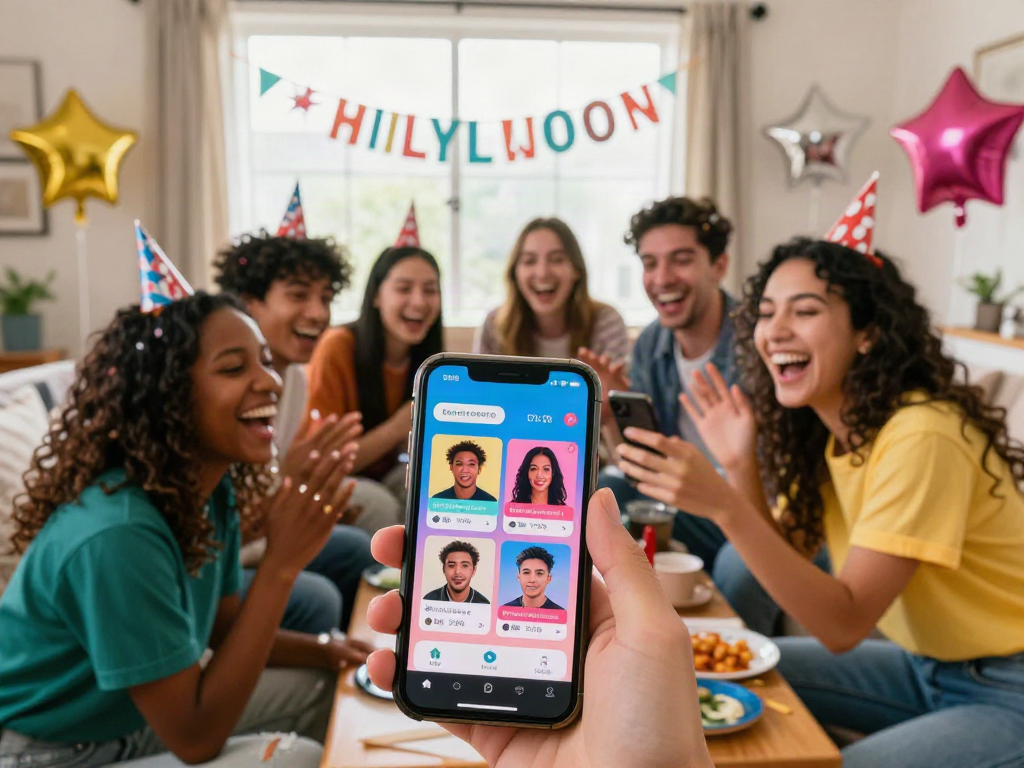
The phrase “celebs I look like” refers to the common pastime of identifying which famous personalities one resembles based on physical features. This phenomenon isn’t merely for vanity; it's a fun way for people to engage with popular culture and social media. When individuals upload their photographs to different applications or websites, algorithms analyze facial features, such as the structure of the jawline, eye shape, and hair color. The app then suggests celebrities with similar characteristics, offering users a sense of connection to those icons.
The Science Behind Facial Recognition Technology
Facial recognition technology has dramatically evolved over the past decade, allowing for more accurate matches and improved user experiences. At its core, this technology uses algorithms to analyze various facial features and compare them against a database of celebrity images. Advanced machine learning techniques enable these systems to continuously improve by learning from user interactions. Interestingly, some systems can even recognize changes in a person’s appearance over time, leading to more personalized results. While the technology isn't infallible, it represents a significant leap from earlier attempts at facial analysis.
Popular Tools and Apps for Finding Look-Alikes
Several popular tools and apps cater to the “celebs I look like” demographic. These applications vary in features, accuracy, and user experience. Some notable mentions include:
- StarByFace: This app allows users to upload a photo, where a neural network compares their features against various celebrity faces to suggest matches.
- Celebs - Celebrity Look Alike: Available on both iOS and Android, this app provides instant matches and ensures a fun, engaging experience.
- Fotor's Celebrity Look Alike Finder: This online tool uses advanced analysis technology for quick and easy matching.
Each application has its unique approach but shares a common goal: to bridge the gap between ordinary individuals and the captivating world of celebrities.
Common Pitfalls When Using Celebrity Look-Alike Apps
While the technology is indeed impressive, users should be aware of certain pitfalls when relying on these apps. Understanding these challenges can enhance your experience and result in more meaningful matches.
Over-Reliance on Technology: Why Accuracy Varies
One significant issue is that users may place too much trust in the results given by these applications. The accuracy of matches can vary widely based on the app's underlying technology and the quality of the uploaded images. Lighting, angle, and even expressions can dramatically affect the outcome. Users should see results as entertainment rather than definitive matches.
Ignoring Privacy Settings: Protecting Your Personal Data
As with any online interaction that involves personal photos, privacy concerns are paramount. Many users neglect to read privacy policies or adjust settings that could protect their data. It’s crucial to ensure that images are secure, especially when using apps that store or share data. Opting for platforms with clear privacy commitments can provide peace of mind.
Misunderstanding Results: What Matching Percentages Mean
Another common misconception is the interpretation of matching percentages. Many applications display a percentage score indicating how closely you resemble a particular celebrity. However, these scores can be misleading. A higher percentage doesn’t necessarily mean a closer resemblance; it reflects the algorithm’s confidence in its assessment. Users should approach these percentages with skepticism and a sense of humor.
Best Practices for Finding Your Celebrity Doppelgänger
To maximize enjoyment and accuracy when searching for your celebrity look-alike, consider the following best practices.
How to Take the Perfect Selfie for Best Results
Taking a high-quality selfie can significantly impact the results you receive. To achieve this, ensure good lighting, a neutral background, and a clear view of your face. Avoid heavy filters, as these can distort features and lead to inaccurate matches. A straightforward, natural look will yield the best outcomes.
Utilizing Multiple Apps for Diverse Matches
Since each app employs different algorithms, using multiple platforms can provide a broader range of results. By comparing matches from various applications, you can get a more comprehensive view of which celebrities you resemble. This method can be particularly entertaining and may highlight unique features you hadn't considered.
Engaging with Community Feedback and Reviews
The user community can be a valuable source of information regarding the accuracy and usability of different apps. Reading reviews or participating in forums can guide you towards the best tools and help you avoid potential pitfalls. Engaging with other users can also make the experience more enjoyable and insightful.
Real-World Examples: Celebrities Who Look Alike
Exploring famous celebrity look-alikes can enhance our understanding of the phenomenon. Many instances have surfaced in both social media and popular culture, captivating audiences worldwide.
Famous Celebrity Look-Alikes: A Closer Look
There are several notable pairs and groups of celebrities who share striking resemblances. For example, actors Zooey Deschanel and Katy Perry are often mentioned due to their similar facial features. Similarly, many people have pointed out the uncanny likeness between actors Jessica Chastain and Bryce Dallas Howard. These similarities extend beyond looks, often leading fans to wonder about their shared ancestry or personal connections.
Surprising Matches Found by Users
Many individuals have taken to social media to share surprising matches generated by celebrity look-alike apps, sometimes leading to humorous or delightful revelations. One user might discover they resemble a lesser-known actor, while another finds they share similarities with a global superstar. These unexpected connections bring a sense of excitement and curiosity.
How Social Media Influences Popularity of Look-Alike Searches
Social media platforms have played a pivotal role in popularizing look-alike searches. Hashtags like #CelebLookAlike or #WhoDoILookLike encourage users to share their results, creating a viral effect. This trend not only showcases people’s results but also fuels discussions about beauty standards and societal perceptions of celebrity culture. As more users engage, the excitement around these comparisons continues to grow.
The Future of Celebrity Look-Alike Technology (2026 and Beyond)
As technology advances, the landscape of celebrity look-alike searches is expected to evolve further, introducing new features and capabilities.
Emerging Trends in Facial Recognition Systems
The next wave of facial recognition technology is likely to focus on improving accuracy and user experience. Emerging trends could include live matching using video inputs rather than just static images, allowing for real-time interactions with users. This could transform how individuals perceive themselves concerning celebrity culture, making the experience even more engaging.
AI Developments and Their Impact on Accuracy
As artificial intelligence continues to progress, the algorithms used for facial recognition may become even more sophisticated. This could lead to improved accuracy and more nuanced understanding of human features. Enhanced AI capabilities may enable apps to take into account various angles, lighting conditions, and expressions, providing a more holistic view of someone's likeness to a celebrity.
Predictions for Celebrity Look-Alike Apps in 2026
By the year 2026, we can anticipate celebrity look-alike apps to become more integrated with social media platforms. These apps could feature advanced community engagement tools, enabling users to share their results in innovative ways. The combination of social sharing and improved technology may create an immersive experience where users not only see who they look like but also interact with others who share similar resemblances. As we look to the future, it’s exciting to think about how these technologies will continue to reshape our interactions with celebrity culture.